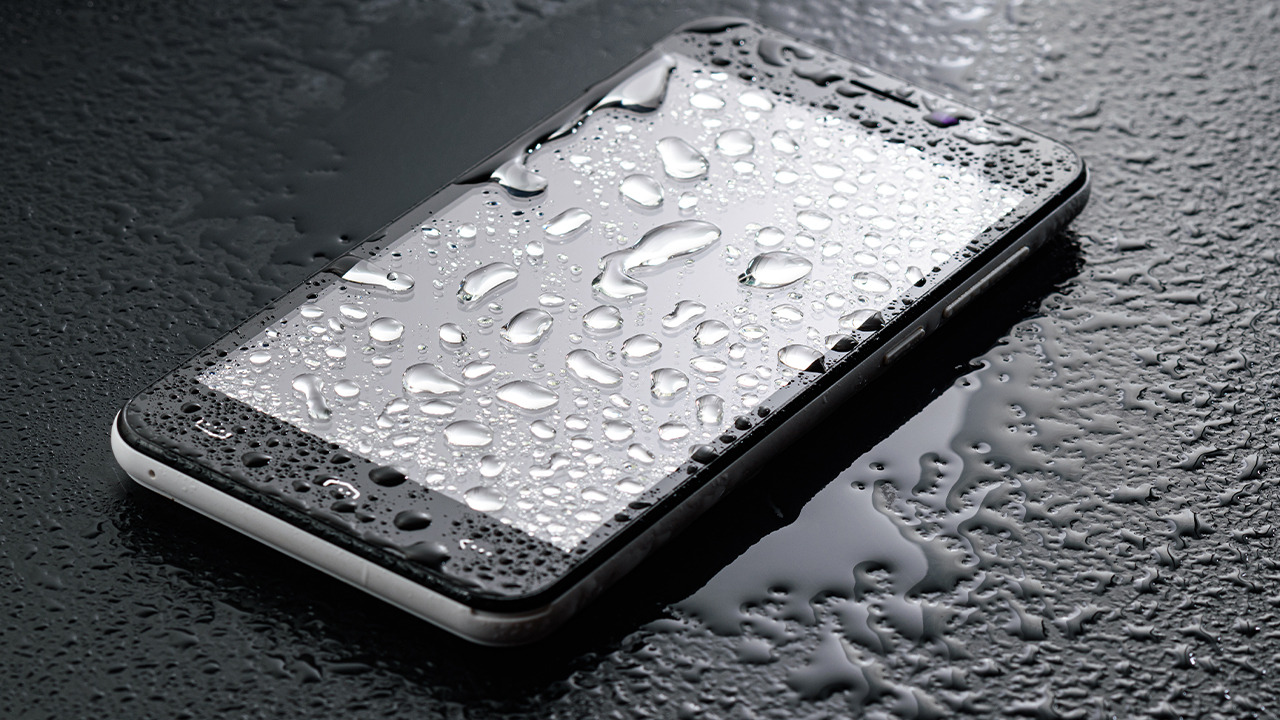
In this blog post, we explore the intricate details of what happens inside your phone speaker when it gets wet, highlighting the significant water effect on speaker functionality. The article begins with an introduction to how water exposure affects sound production. It delves into the anatomy of the speaker membrane, detailing how moisture can alter its performance. The consequences of water damage, including distorted audio and permanent malfunction, are outlined to emphasize the risks. Finally, the post offers actionable tips for preventing water damage to your speakers, ensuring they remain functional and reliable. Overall, the article serves as an essential guide for smartphone users to understand and protect their devices from water-related issues.
Introduction To The Water Effect On Speaker Functionality
When a phone speaker comes into contact with water, the water effect on speaker functionality can be significant. This impact stems from the delicate balance necessary for optimal sound performance. Water can disrupt the integrity of the speaker components, particularly affecting how sound vibrations are produced and transmitted. As moisture penetrates the speaker, it creates potential barriers to the free movement of the diaphragm, leading to muddled sound quality or complete audio failure.
Key Aspects Of Water Effects On Speakers
- Decreased sound quality due to dampened sound vibrations.
- The potential for permanent damage if water penetrates beyond surface coatings.
- Impact on electrical components, risking short circuits.
- Problems with the speaker membrane functioning effectively under wet conditions.
- Possible corrosion of internal connections over time.
- Variability in water resistance features among different speaker models.
- Delayed recovery time for performance after drying out usage.
Understanding these aspects is crucial for users who expose their devices to moisture. Manufacturers often implement water resistance ratings to set expectations regarding a device’s durability. However, even with these protections in place, prolonged exposure to water can compromise the sound performance of speakers significantly. In short, moisture can severely impair overall functionality, manifesting as distortion or complete audio loss.
Understanding The Anatomy Of Speaker Membrane When Wet

The internal structure of a speaker is complex, and its critical component is the speaker membrane. This part is designed to create sound by vibrating in response to electrical signals. However, when water infiltrates the speaker, the water effect on speaker performance becomes significant. The delicate materials of the membrane may absorb moisture and alter their characteristics, resulting in distorted sound and potential damage.
Understanding how water interacts with the speaker membrane helps in recognizing the risks involved. When wet, the speaker membrane can swell, shifting its resonance frequency and negatively impacting sound quality. Moisture exposure can also lead to corrosion of the internal components, compounding the problem and making it necessary to consider preventive measures against water damage.
| Effect of Water | Description | Potential Outcome |
|---|---|---|
| Swell of Membrane | Absorption of water increases the size of the membrane | Altered sound frequency |
| Corrosion | Rust forming on electrical components | Loss of conductivity and functionality |
| Loss of Sound Quality | Distortion and reduced clarity due to moisture | Unpleasant listening experience |
| Short-circuiting | Water-caused electrical failures | Complete speaker failure |
When considering the water effect on speaker performance, it’s important to identify the key issues that arise when exposed to moisture. Here are some of the primary concerns:
- Swelling of the speaker membrane affecting resonance.
- Corrosion of the internal components, leading to failures.
- Reduction in sound quality with pronounced distortions.
- Electrical short-circuiting resulting in complete failure.
- Potential for permanent damage if not dried properly.
Effects Of Water On Speaker Membrane
As explained, when water invades the speaker membrane, it undergoes several negative transformations. The material may lose its structural integrity, making it less effective in producing accurate sound. This deterioration not only compromises the audio quality but can also pose long-term risks that necessitate repair or replacement.
How Sound Vibration Changes With Moisture
Moisture affects the sound vibrations produced by the speaker. When the membrane absorbs water, it may vibrate differently, leading to unbalanced sound output. The sound waves emitted become altered, influencing the overall listening experience. Understanding these changes is crucial for troubleshooting issues and implementing effective solutions against potential water damage.
Consequences Of Exposure To Water For Your Phone’s Speaker
When your phone’s speaker gets wet, the damage can be both immediate and gradual, leading to serious functionality issues. One of the primary concerns is the corrosion of internal components, which can severely hinder sound output. Additionally, water can disrupt the delicate connections within the speaker, causing distortion or a complete failure of sound transmission. Understanding these consequences is crucial in order to mitigate potential harm to your device.
Potential Consequences Include
- Distorted Sound Quality: Water exposure can cause audio to sound muffled or unclear.
- Reduced Volume: Wet components may not vibrate properly, leading to lower volume levels.
- Short-Circuiting: Water can create unintended electrical connections, potentially damaging the speaker permanently.
- Circuit Board Corrosion: Over time, moisture can corrode critical parts of the circuit board supporting the speaker.
- Speaker Membrane Damage: Prolonged exposure can warp or damage the speaker membrane, leading to failure.
- Unpleasant Odors: Standing water can cause mold and mildew to grow, resulting in odors that can affect overall device use.
It is important to note that some smartphones are equipped with water-resistant features. However, these protections are not foolproof, and prolonged exposure to water can still lead to degradation. Users may experience not only immediate impact but also long-term consequences that manifest gradually. In some cases, repair may become necessary to restore sound quality and functionality fully.
Preventing Water Damage: Actionable Tips For Your Speakers
To effectively safeguard your phone speakers from the detrimental water effect on speaker functionality, proactive measures are essential. Water can interfere with the delicate sound vibration mechanism of speakers, leading to distorted audio or total failure. Understanding how to protect your device can prolong its lifespan and maintain performance. Incorporating water resistance features is beneficial, but users should also adopt practical habits to prevent accidental exposure to water.
Steps To Protect Your Speakers
- Invest in a water-resistant phone case.
- Avoid using your phone in high-moisture environments, like the bathroom.
- Use a protective cover when outdoors in rain or snow.
- Regularly check your speaker for any signs of moisture.
- Keep your phone away from spills during meals or activities.
- Consider using moisture-absorbing packets in your phone bag.
- Immediately power down your device if it gets wet and allow it to dry thoroughly.
By following these steps, you not only enhance your phone’s durability but also ensure that the sound quality remains crisp, and your device functions optimally. Proactive prevention of water exposure is crucial, as even minimal contact can affect the intricate components inside the speaker. Remember, prevention is always better than cure when it comes to protecting your valuable technology.
Frequently Asked Questions
How does water affect a phone speaker’s functionality?
Water can cause short circuits, disrupt vibrations, and create audio distortion, ultimately diminishing the speaker’s performance.
What components make up the speaker membrane in a phone?
The speaker membrane consists of a diaphragm, voice coil, and magnet, which work together to produce sound. When exposed to water, these components can be damaged.
What are the immediate consequences of water exposure on a phone speaker?
Immediate consequences include muffled sound, crackling noises, and a complete loss of audio output in severe cases.
Can soaking a phone speaker lead to permanent damage?
Yes, prolonged exposure to water can lead to corrosion of internal components, resulting in permanent damage to the speaker.
How can I tell if my phone’s speaker has been damaged by water?
Signs of water damage include distorted audio quality, unresponsive speakers, and moisture visible in the speaker grill.
Is it safe to use my phone speaker while it’s wet?
No, it is not safe to use a speaker while wet, as it can lead to further damage and increase the risk of electrical shorts.
What preventive measures can I take to protect my phone speaker from water damage?
Using waterproof cases, keeping the phone away from water bodies, and ensuring the phone is dry before use are effective preventive measures.
What should I do if my phone speaker gets wet?
Immediately turn off the phone, remove any cases or covers, and let it dry naturally in a dry environment. Using silica gel packets can also help absorb moisture.
Are there treatments available if my phone speaker is still malfunctioning after getting wet?
Yes, you can take your phone to a professional repair service, which may include cleaning the speaker unit or replacing damaged components.
Can water-resistant phones still suffer from speaker damage?
Yes, while water-resistant phones offer some protection, they are not completely immune to water damage, especially if water pressure exceeds specified limits.