
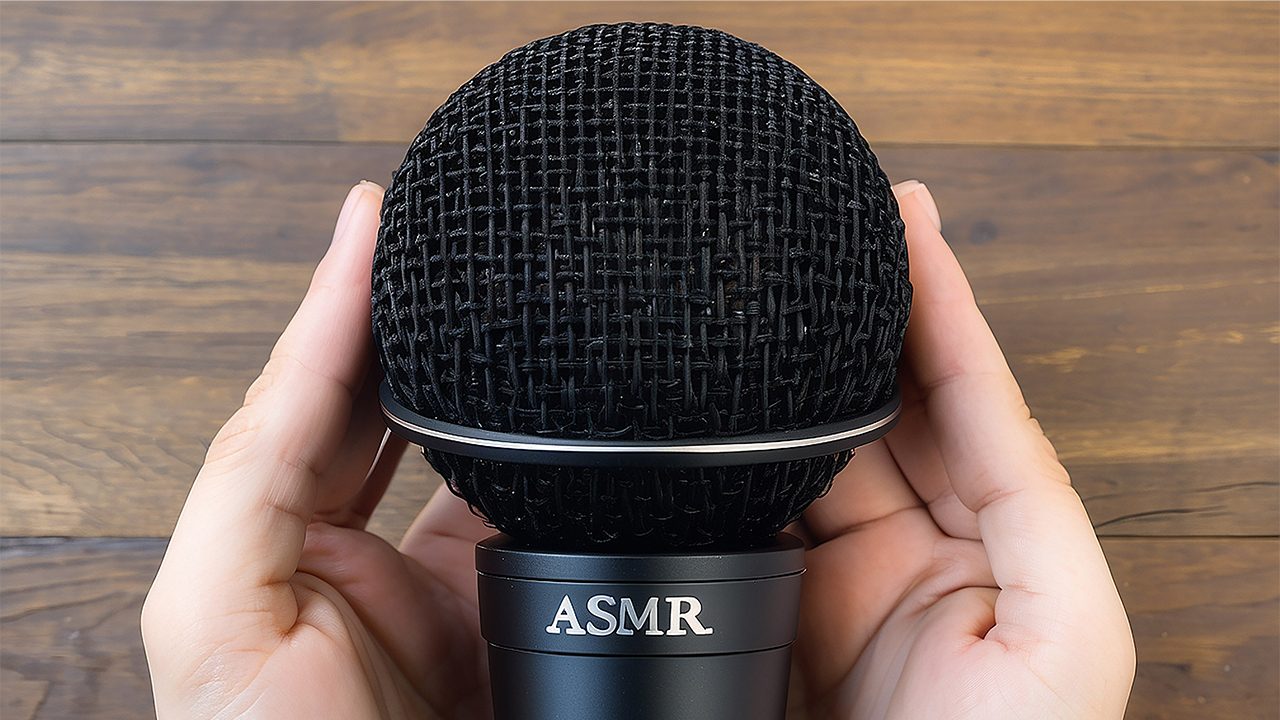
The article explores the science behind ASMR (Autonomous Sensory Meridian Response) and its relaxing effects. It begins by explaining the concept of ASMR and why it captivates so many people, highlighting sensations triggered by specific auditory or visual stimuli. The post delves into ASMR science, discussing how these triggers elicit brain responses that promote feelings of calm and pleasure. Key takeaways provide practical advice on how to incorporate ASMR into daily routines for improved relaxation and focus. Furthermore, the article examines the positive impact of ASMR on mental health and wellness, suggesting that it can serve as a valuable tool for stress relief and anxiety reduction. Overall, this informative blog post offers a comprehensive look at ASMR science and its profound effects on the mind and body.
Understanding The Concept Of ASMR And Its Appeal
ASMR, or Autonomous Sensory Meridian Response, refers to the sensation of deep relaxation that some individuals experience in response to certain sound triggers. These triggers may include soft whispers, tapping, or ambient noises, all of which are capable of producing a soothing effect akin to a gentle, tingling sensation. The appeal of ASMR lies in its ability to induce a profound relaxation response, allowing listeners to unwind and escape the stresses of daily life. Many fans of ASMR find that engaging with these sound triggers can enhance their overall sense of well-being and foster a serene mental state.
Key Aspects Of ASMR:
- Variety of sound triggers available
- Personalized experiences, varying from person to person
- Use of close-mic techniques for intimate sound delivery
- Role of visual stimuli in enhancing the ASMR experience
- Influence of repetition and predictability on relaxation
- Potential for ASMR to aid in sleep and reduce anxiety
The growing interest in ASMR has led to significant exploration in ASMR science, with researchers studying how sound triggers interact with brain activity to create such unique responses. These studies indicate that ASMR may activate regions of the brain associated with relaxation and pleasure, further explaining its widespread appeal. As the field of ASMR continues to expand, understanding its underlying mechanisms helps both enthusiasts and researchers grasp the powerful impact these simple sound cues can have on our mental health.
The Deep Dive Into ASMR Science And Brain Reaction
The phenomenon of ASMR (Autonomous Sensory Meridian Response) has intrigued researchers and enthusiasts alike, with its unique capacity to induce relaxation and tranquility. The ASMR science explores the intricate responses triggered in the brain, leading to varying sensations often described as tingling or euphoric. Through examining the brain reaction to ASMR triggers, we open a window into the complexities of human perception and emotional response. The soothing qualities of ASMR have garnered significant attention, positioning it at the intersection of psychology and neurology.
| ASMR Triggers | Common Effects | Potential Benefits |
|---|---|---|
| Whispering | Relaxation | Stress Reduction |
| Gentle Tapping | Tingling Sensations | Improved Sleep |
| Crinkling Sounds | Heightened Focus | Enhanced Creativity |
| Personal Attention | Comforting Feelings | Increased Well-being |
Understanding the triggers that elicit ASMR responses can significantly enhance the comprehension of its effects on the human psyche. People often report varied experiences based on specific stimuli, which can lead to a multitude of ASMR reactions. This individualized response highlights the diverse nature of perception among individuals. Identifying these triggers can not only enrich one’s experience but also provide insightful information regarding personal relaxation methods.
Triggers That Induce ASMR
Among the numerous triggers identified in ASMR science, specific sounds and scenarios are particularly effective in initiating a response. Familiarity plays a crucial role, as personal associations with these auditory inputs can amplify the sensations felt. Here are some common triggers:
- Soft spoken words
- Light tapping noises
- Page turning sounds
- Personal attention simulations
- Hair brushing sounds
Biological Effects Of ASMR
Research into the biological effects of ASMR has revealed notable changes in brain activity during ASMR experiences. Many studies suggest that engaging with ASMR content can lead to a reduction in heart rate and an increase in feelings of calm. Such physiological changes indicate that ASMR can remarkably affect one’s mental state, making it a potential tool for enhancing relaxation and mental well-being. Observations show that the calming sensation induced by ASMR may even mirror the effects of meditation, adding to its growing acceptance in holistic wellness practices.
Key Takeaways On ASMR And How To Incorporate It
ASMR, or Autonomous Sensory Meridian Response, has gained immense popularity for its unique ability to trigger a profound relaxation response in many individuals. This response is often characterized by tingling sensations that start at the scalp and move down the spine, providing an overwhelming sense of calm. The ASMR science behind this phenomenon shows that auditory stimuli, known as sound triggers, play a crucial role in eliciting these soothing sensations. Understanding the triggers that affect each individual can lead to a more tailored and effective experience.
Tips For Practicing ASMR:
- Identify your preferred sound triggers, such as whispering, tapping, or crinkling.
- Experiment with different environments, including quiet rooms or natural settings, to find what enhances your experience.
- Use quality headphones to immerse yourself fully in the auditory experience.
- Create a routine that incorporates ASMR sessions at a specific time to maximize relaxation.
- Record your own ASMR sounds to personalize the experience even further.
- Join online ASMR communities for tips, recommendations, and shared experiences.
- Be patient and open to discovery as everyone’s triggers may differ.
Incorporating ASMR into your daily routine can enhance mental wellness and provide valuable moments of relaxation. Many individuals have reported a marked decrease in anxiety and stress levels after engaging with ASMR content. By understanding the ASMR science and remaining attentive to the specific sound triggers that resonate with you, it becomes easier to cultivate an enriching and calming practice. The key lies in consistency and exploration, as experimenting with various techniques can ultimately lead to a more individualized and effective ASMR experience.
The Impact Of ASMR On Mental Health And Wellness
ASMR, or Autonomous Sensory Meridian Response, has gained attention for its potential benefits on mental health and wellness. The science behind ASMR reveals that it triggers a unique brain reaction that promotes a relaxation response. This phenomenon can lead to a state of calmness and tranquility which helps to alleviate stress and anxiety. Individuals who experience ASMR often report feeling a gentle tingling sensation, which enhances their overall mood and well-being. As such, understanding its impact on mental health is crucial for those seeking alternative methods to improve their emotional states.
Benefits Of ASMR:
- Reducing symptoms of anxiety
- Enhancing sleep quality
- Lowering levels of stress
- Improving focus and concentration
- Boosting emotional well-being
- Encouraging mindfulness and relaxation
Research indicates that engaging with ASMR content can serve as an effective coping mechanism. This natural relaxation response not only contributes to immediate relief but also supports long-term mental health by fostering positive emotional experiences. As people incorporate ASMR into their routines, they may discover new pathways to manage daily challenges, enhancing both their mental and emotional resilience.
Frequently Asked Questions
What does ASMR stand for?
ASMR stands for Autonomous Sensory Meridian Response, which refers to the tingling sensation some people experience in response to specific auditory or visual stimuli.
Why do people enjoy ASMR content?
People enjoy ASMR content because it often induces relaxation, reduces stress, and can lead to a feeling of comfort through pleasing sound and visuals.
What types of stimuli are commonly associated with ASMR?
Common stimuli that trigger ASMR include whispering, soft speaking, tapping sounds, brushing, and crinkling noises.
How does the brain respond to ASMR triggers?
The brain may release neurotransmitters such as dopamine and oxytocin in response to ASMR triggers, promoting feelings of calmness and relaxation.
Is there scientific research supporting the effects of ASMR?
Yes, recent studies have shown that ASMR can lead to increased relaxation and decreased heart rate, providing preliminary evidence for its calming effects.
Can ASMR help with sleep issues?
Many people report that ASMR helps them fall asleep faster and improves overall sleep quality due to its relaxing properties.
What are some practical ways to incorporate ASMR into daily life?
You can incorporate ASMR by listening to ASMR videos or audio recordings, practicing mindful listening, or engaging in ASMR-triggering activities like gentle tapping or crinkling items.
How does ASMR impact mental health?
ASMR can have a positive impact on mental health by helping to alleviate symptoms of anxiety, stress, and depression through its calming effects.
Are there any downsides to experiencing ASMR?
While ASMR is generally safe, some people may not respond to it, or certain triggers may evoke feelings of discomfort instead of relaxation.
Can everyone experience ASMR, or is it specific to certain individuals?
Not everyone experiences ASMR, as individual sensitivity to triggers varies; some may find it deeply relaxing while others may feel indifferent or unaffected.