
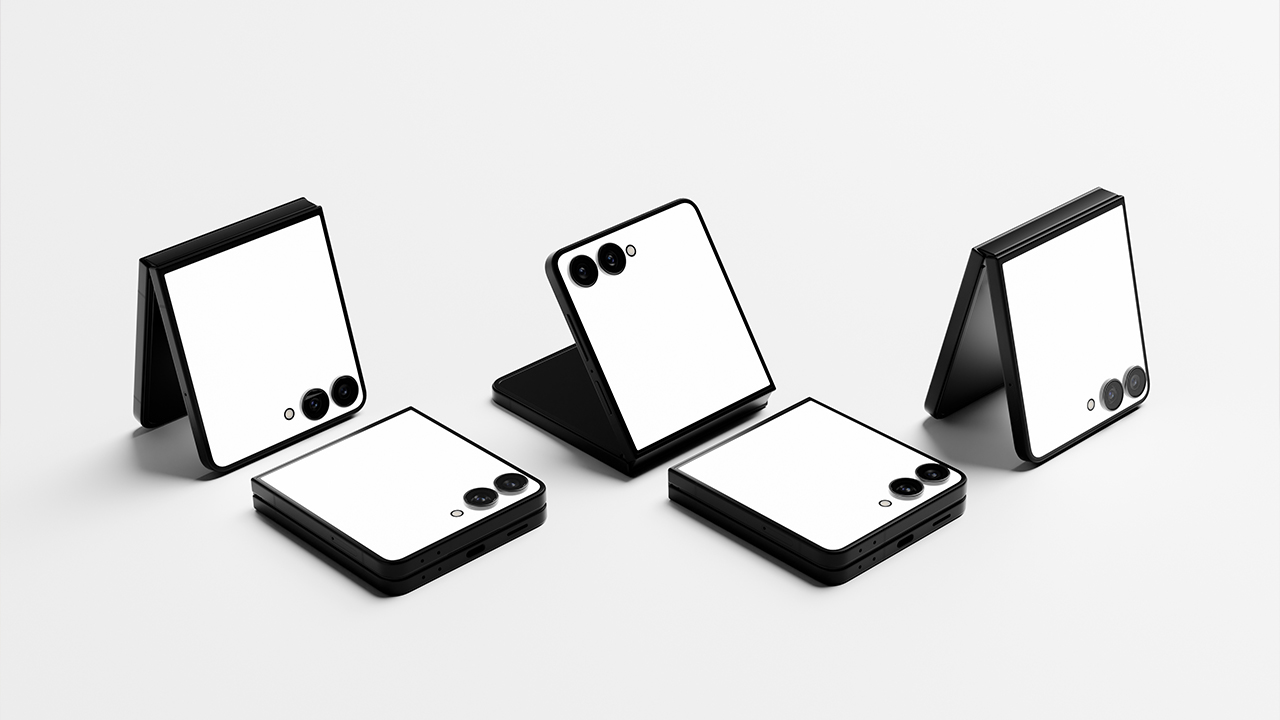
This blogpost provides a comprehensive foldable phones review, exploring the future potential of these innovative devices. It begins with an overview of foldable phones, discussing their design and market trends. The in-depth analysis focuses on screen durability and hinge technology, two crucial factors influencing their performance and longevity. The article also presents key takeaways, evaluating whether foldable phones are worth the investment for consumers. In conclusion, it assesses the pros and cons of owning a foldable phone, helping readers make informed decisions based on their needs and expectations. As foldable technology continues to evolve, this review serves as a valuable resource for anyone considering making the switch to a foldable device.
Overview of Foldable Phones: A Look Into The Future
Foldable phones have rapidly transformed the landscape of mobile technology with their innovative flexible displays, offering users unprecedented versatility in device functionality. Brands like Samsung have led the charge with products such as the Samsung Z Fold, combining the convenience of a smartphone with the expansive experience of a tablet. These devices are not merely trendy gadgets; they represent a significant leap in how we interact with technology, allowing for multitasking and enhanced productivity on the go.
Key Features of Foldable Phones
- Flexible Displays: Seamlessly transitions from phone to tablet.
- Multi-Tasking Capabilities: Run multiple apps side by side.
- Enhanced Portability: Compact design for easy transport.
- Innovative Hinge Technology: Improved durability for daily use.
- Increased Screen Real Estate: Larger viewing area without bulk.
- New User Experience: Unique interactions and app functionalities.
As foldable phones continue to evolve, they offer exciting possibilities for developers and consumers alike. The user experience is being redefined, as brands invest heavily in research to ensure that these devices not only look impressive but also deliver on functionality and reliability. With the persistent development in hinge mechanics and display resilience, it seems that foldable phones are paving the way for the next generation of mobile technology.
In-Depth Analysis of Screen Durability and Hinge Technology
As foldable phones continue to gain traction in the smartphone market, understanding the intricacies of their screen durability and hinge technology is crucial for potential buyers. These two components are vital in determining the overall longevity and usability of foldable devices. Manufacturers have made strides in both areas, using advanced materials and engineering techniques to mitigate issues that plagued earlier iterations. The focus now is not just on the aesthetic appeal of a foldable device but also on its ability to withstand everyday use.
To better comprehend the technological advancements in foldable phones, a thorough examination of their hinge mechanisms is essential. Hinge technology plays a pivotal role in ensuring the seamless folding and unfolding of devices. New designs attempt to lessen wear and damage by distributing force more evenly across the assembly. This not only optimizes the user experience but also enhances the overall lifespan of the device.
| Device Model | Hinge Type | Durability Rating (Out of 10) |
|---|---|---|
| Device A | Multi-Axis Hinge | 8 |
| Device B | Rotary Hinge | 7 |
| Device C | Flat Hinge | 9 |
| Device D | Flexible Hinge | 8 |
Another critical aspect to consider is the performance of the screen itself. Manufacturers are now deploying cutting-edge technologies such as Ultra-Thin Glass (UTG) and advanced polymer layers to enhance screen durability. These innovations aim to create displays that are not only thinner and lighter but also more resistant to scratches and cracks. Evaluating these screens involves assessing various performance metrics, including brightness, color accuracy, and how well they fare against environmental factors.
Steps to Ensure Screen Durability
- Always use a screen protector designed for foldable phones.
- Regularly clean the screen with microfiber cloths to avoid scratches.
- Avoid placing heavy objects on top of the device when folded.
- Keep the phone away from extreme temperatures or humid environments.
- Ensure the device is in a secure case while not in use.
- Limit exposure to liquids to prevent screen damage.
- Be gentle when folding and unfolding the device.
Understanding Hinge Mechanisms
As we dive deeper into hinge mechanisms, it is important to note that each design brings its own unique advantages and challenges. The progression of hinge technology has not only aimed to improve functionality but also sought to address durability. The engineering behind these hinges often includes materials that enhance resilience to wear and tear, ultimately prolonging the phone’s lifespan. This understanding helps consumers make informed choices when considering which foldable phone best suits their needs.
Evaluating Screen Performance
Taking a closer look at screen performance involves not just durability but also accessibility and usability. Foldable screens need to maintain high-quality performance during regular use, especially since they involve more complex mechanics compared to traditional screens. Thus, testing screens under various conditions ensures that consumers are receiving a product that is reliable for day-to-day tasks. Understanding how manufacturers have addressed these challenges can provide valuable insight into the future of foldable technology.
Key Takeaways: Are Foldable Phones Worth The Investment?
When considering foldable phones, the question of value often hinges on their unique design, functionality, and overall performance. Recent foldable phones reviews indicate that while these devices provide a glimpse into the future of mobile technology, potential buyers should weigh their features against conventional smartphones. One of the primary considerations is the screen durability, which is critical as these devices utilize flexible displays that can be more susceptible to wear compared to standard screens.
As foldable phones continue to evolve, manufacturers are focusing on improving critical elements such as hinge technology and display materials. However, despite these advancements, users must remain cautious about the longevity of these devices. To enhance the experience and minimize risks, it’s essential to understand both the benefits and potential drawbacks associated with foldable phones before making a purchase. The integration of these devices into daily life can be an adjustment, but many find the added versatility worth the transition.
Actionable Recommendations
- Research various models to find one that fits your needs and budget.
- Consider warranty options that cover screen durability issues.
- Read user reviews focusing on long-term experiences with foldable phones.
- Beware of using third-party accessories, as they may not align with manufacturer standards.
- Keep up with software updates that optimize performance and fix potential bugs.
- Evaluate your usage habits to determine if the form factor suits your lifestyle.
- Monitor any signs of wear on the screen and hinge to address issues early.
While foldable phones are undoubtedly innovative, understanding their strengths and weaknesses through thorough reviews is crucial to making an informed investment.
Ultimately, determining whether foldable phones are worth the investment depends largely on individual preferences and needs. The allure of a versatile device that seamlessly transitions between a compact phone and a larger screen may justify the cost for many, particularly those who appreciate cutting-edge technology. Remember to stay informed and eliminate guesswork as you explore the latest in mobile innovation.
Conclusion: Assessing The Pros And Cons of Foldable Phones
In the evolving landscape of mobile technology, foldable phones have sparked interest due to their innovative design and functionality. Devices like the Samsung Z Fold have initiated conversations about the practicality of flexible displays and how they can revolutionize the user experience. However, while these phones offer distinct advantages, they also come with noteworthy drawbacks. Evaluating these factors can help consumers make informed purchasing decisions.
| Model | Display Size | Battery Life |
|---|---|---|
| Samsung Z Fold | 7.6 inches (unfolded) | Up to 12 hours |
| Huawei Mate X | 8.0 inches (unfolded) | Up to 10 hours |
| Motorola Razr | 6.2 inches (unfolded) | Up to 24 hours |
To provide a balanced view, it is essential to examine the pros and cons associated with foldable phones. The following factors should be considered:
Pros and Cons Overview
- Innovative design that offers versatility
- Enhanced screen real estate without increasing the device’s footprint
- Potential for unique multi-tasking capabilities
- High price point may not suit all budgets
- Potential durability concerns with flexible displays
- Limited availability of apps optimized for foldable screens
- Weight and bulkiness compared to traditional smartphones
Ultimately, the decision to invest in a foldable phone depends on individual needs and preferences. While they may not be ideal for everyone, advancements in technology and design suggest that they could play a significant role in the future of mobile devices. As the market matures, consumers should continuously assess the foldable phones review landscape to make the best possible choices.
Frequently Asked Questions
What are the main features of foldable phones?
Foldable phones typically feature flexible displays that allow the device to switch between a standard smartphone size and a larger tablet size, enabling diverse functionalities and multitasking capabilities.
How does the durability of foldable phone screens compare to traditional smartphones?
Foldable phone screens have improved significantly in durability, utilizing advanced materials and technologies, but they may still be more susceptible to damage than traditional screens. Careful usage is advised.
What hinge technology is used in modern foldable phones?
Modern foldable phones utilize various hinge technologies designed to withstand repeated folding and unfolding while maintaining structural integrity, including a 'zero-gap' hinge to protect the screen.
Are there any significant drawbacks to owning a foldable phone?
Some drawbacks include higher price points, potential issues with screen durability, and limited app optimization for the unique display sizes, which can affect usability.
What is the price range for foldable phones currently on the market?
Foldable phones typically range from around $1,000 to over $2,500, depending on the brand and specifications, reflecting their innovative technology and unique design.
How do foldable phones improve multitasking capabilities?
Foldable phones allow users to run multiple applications simultaneously on the split screen, enhancing productivity and making it easier to manage tasks without switching between apps.
Will foldable phones become mainstream in the future?
While foldable phones are gaining popularity, it remains to be seen if they will become mainstream. Continued advancements in technology and reductions in price could facilitate wider adoption.
Are foldable phones suitable for everyday use?
Yes, foldable phones can be suitable for everyday use, but users should consider their handling habits, as they may require a more careful approach compared to regular smartphones.
What benefits do foldable phones offer over traditional smartphones?
The primary benefits include a larger display in a compact design, enhanced multitasking abilities, and the novelty of innovative technology that can appeal to early adopters and tech enthusiasts.
What do experts say about the future potential of foldable phones?
Experts believe that as technology advances, foldable phones will likely evolve to become more robust, user-friendly, and affordable, potentially reshaping the smartphone landscape.