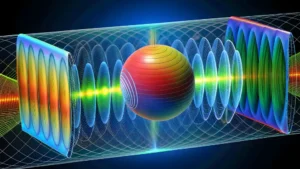

Ultrasonic tech plays a pivotal role in modern technology, employing ultrasonic waves for various innovative applications. In the section ‘Understanding The Role Of Ultrasonic Waves In Modern Technology,’ the article explores how these waves facilitate advanced functionalities. One significant application is in proximity sensors and sound signaling, where ultrasonic tech enhances accuracy and responsiveness. The article outlines key advantages of utilizing ultrasonic waves, such as their ability to operate in challenging environments and provide precise measurements. Furthermore, it discusses next steps for implementing ultrasonic solutions in projects, highlighting the necessity for careful integration and testing. Overall, this blogpost emphasizes the transformative impact of ultrasonic tech, showcasing its versatility and effectiveness across different fields.
Understanding The Role Of Ultrasonic Waves In Modern Technology

Ultrasonic tech plays a vital role in various fields, including medical imaging, industrial applications, and consumer electronics. This advanced technology utilizes sound waves at frequencies higher than the audible range for humans, enabling a range of functionalities that are critical for modern advancements. One of the significant areas where ultrasonic technology shines is in the realm of sound signaling. Devices can precisely determine distances and detect obstacles using ultrasonic waves, making them invaluable in applications such as automotive parking sensors and robotics.
Key Applications Of Ultrasonic Technology
- Medical imaging (ultrasound scans)
- Industrial cleaning and non-destructive testing
- Proximity sensors in smartphones and vehicles
- Animal repellents and pest control systems
- Flow measurement in liquids
- Ultrasonic welding in manufacturing processes
- Level monitoring for liquids
The integration of ultrasonic waves empowers proximity sensors, which are widely used in everyday technology, from smartphones to smart home devices. These sensors can detect the presence of objects nearby, enabling hands-free commands and enhancing user experiences. Furthermore, as industries continue to innovate, the implementation of ultrasonic technology ensures not only efficiency but also safety across various operational levels. The reliability of ultrasonic tech in signaling and measuring makes it an imperative tool in our constantly evolving technological landscape.
How Ultrasonic Tech Enhances Proximity Sensors And Sound Signaling
Ultrasonic tech plays a pivotal role in modern technology, particularly in enhancing the functionality of proximity sensors and sound signaling systems. By utilizing high-frequency sound waves, these systems can detect objects and measure distances with remarkable accuracy. As technology continues to advance, the integration of ultrasonic technology allows for innovative applications across various industries, from automotive to healthcare.
| Application | Industry | Description |
|---|---|---|
| Obstacle Detection | Automotive | Helps in parking assistance and collision avoidance systems. |
| Level Measurement | Manufacturing | Used for measuring liquid or solid levels in tanks. |
| Medical Imaging | Healthcare | Ultrasound imaging for diagnostics and prenatal scanning. |
| Smart Home Devices | Consumer Electronics | Enables automation and control in smart homes. |
As we dive deeper into the function of ultrasonic tech, it’s important to recognize the array of applications for proximity sensors. These sensors utilize ultrasonic waves to detect nearby objects and are widely used in automation systems. They contribute to enhancing operational efficiency in various sectors, including manufacturing and logistics, where precise measurements and reliable detection are crucial for workflow optimization.
Applications Of Proximity Sensors
Proximity sensors, particularly those employing ultrasonic technology, are favored for their non-contact measurement capabilities. They are designed to provide reliable and accurate detection of objects, regardless of their shape, color, or material. This makes them suitable for both industrial and consumer applications, improving safety and convenience in day-to-day activities and advanced systems alike.
Steps To Improve Proximity Sensor Performance
- Regularly calibrate sensors to maintain accuracy.
- Ensure a clear path for sound waves to avoid interference.
- Optimize sensor placement for maximum coverage.
- Utilize shielding to reduce background noise.
- Implement software algorithms to filter false readings.
- Upgrade to higher-quality sensors when necessary.
- Conduct routine testing to assess performance consistency.
Sound signaling complements the function of proximity sensors, creating effective communication systems in various applications. Ultrasonic tech not only enhances the detection capabilities of sensors but also serves as a foundation for advanced sound signaling technologies. By translating proximity data into actionable sound alerts, safety and user awareness can be significantly improved, making environments safer and more responsive.
Benefits Of Sound Signaling
Incorporating sound signaling into ultrasonic technology applications provides a range of benefits. With sound alerts, users receive immediate feedback, facilitating quick decisions and actions. This is particularly valuable in high-stakes environments such as industrial settings and healthcare facilities, where timely responses can be critical. Moreover, sound signaling promotes accessibility, ensuring that alerts reach individuals regardless of their visual capability, thus enhancing overall safety.
Key Advantages Of Utilizing Ultrasonic Waves In Modern Applications
Ultrasonic tech plays a pivotal role across various industries, providing solutions that improve efficiency, safety, and accuracy. The use of ultrasonic waves spans a broad spectrum of applications, including medical imaging, industrial cleaning, and distance measurement. One of the standout features of ultrasonic technology is its ability to operate without direct contact, making it essential for numerous innovations in sensor design and performance.
Advantages Of Ultrasonic Waves
- Non-Destructive Testing: Ultrasonic waves allow for the evaluation of materials without causing any damage.
- High Precision: This technology ensures accurate measurements, crucial for applications like proximity sensors.
- Wide Range: Ultrasonic tech can cover extensive distances while maintaining performance.
- Cost-Effectiveness: Implementing ultrasonic devices can reduce operational expenses over time.
- Safety: Non-invasive nature enhances safety, particularly in medical and industrial settings.
- Versatility: Ultrasonic waves can be adapted for various applications across multiple sectors.
The integration of ultrasonic technology not only elevates standard procedures but also fosters innovation in emerging technologies. By harnessing the unique properties of ultrasonic waves, industries are developing advanced applications that demonstrate significant improvements in reliability and functionality. Enhanced proximity sensors, for instance, utilize these waves to detect objects without physical contact, thereby increasing safety and efficiency in automation processes.
Investing in ultrasonic tech can lead to transformative changes in how we approach measurement, detection, and material analysis.
As we continue to explore the advantages of ultrasonic waves, it becomes evident that their impact transcends mere functionality. By enabling smarter, safer, and more efficient systems, ultrasonic technology is paving the way for future advancements in both consumer and industrial applications. The ongoing evolution of these technologies promises to revolutionize existing frameworks, fostering a conducive environment for innovation and development in various fields.
Next Steps For Implementing Ultrasonic Solutions In Your Projects
When considering the integration of ultrasonic tech into your projects, it is essential to begin with a clear plan that emphasizes the salient features and benefits of this technology. One of the most significant aspects to appreciate is that ultrasonic waves are versatile, allowing for diverse applications in areas such as proximity sensing and sound signaling. By understanding the capabilities of ultrasonic tech, you can streamline your implementation strategy effectively, ensuring that it aligns with your project’s specific needs and objectives.
Actionable Steps To Implement Ultrasonic Tech
- Identify the specific applications where ultrasonic tech can provide advantages.
- Research existing ultrasonic devices and solutions that meet your requirements.
- Consult experts or stakeholders to evaluate potential challenges and benefits.
- Develop a prototype to test the functionality of ultrasonic solutions in real-world scenarios.
- Collect and analyze data to measure the effectiveness of the implemented tech.
- Prepare a detailed report outlining the insights gained and suggestions for further improvements.
- Plan for the continuous monitoring and maintenance of ultrasonic systems to ensure optimal performance.
Through these steps, project managers can harness the full potential of ultrasonic technology, leading to improved performance and efficiency in various applications. By advancing towards the adoption of this technology, teams not only enhance their operational capacity but also contribute to innovation within their respective industries. As you move forward, remember that integrating ultrasonic solutions will be an iterative process, involving ongoing evaluation and adaptation to meet evolving project goals.
Frequently Asked Questions
What are ultrasonic waves?
Ultrasonic waves are sound waves with frequencies above the upper limit of human hearing, typically above 20 kHz. They are used in various applications, including medical imaging and industrial cleaning.
How does ultrasonic tech improve proximity sensors?
Ultrasonic tech enhances proximity sensors by allowing them to detect objects at greater distances with high accuracy. These sensors emit ultrasonic waves that reflect off nearby objects, enabling precise distance measurements.
What industries benefit from ultrasonic technology?
Many industries benefit from ultrasonic technology, including healthcare for medical imaging, manufacturing for material testing, automotive for parking sensors, and even agriculture for pest control.
Can ultrasonic waves be used for cleaning?
Yes, ultrasonic waves are widely used for cleaning purposes. They create high-frequency vibrations in a cleaning solution, effectively removing dirt and contaminants from surfaces or complex geometries.
What are the advantages of using ultrasonic waves in medical applications?
In medical applications, ultrasonic waves offer advantages such as non-invasive imaging through ultrasound, precise therapeutic procedures, and minimal patient discomfort during diagnostics.
How do ultrasonic waves aid in sound signaling?
Ultrasonic waves provide sound signaling by producing sound frequencies that can transmit data over distances without interference, making them ideal for applications like remote sensing and navigation systems.
What challenges are associated with implementing ultrasonic tech?
Implementing ultrasonic tech can pose challenges such as ensuring compatibility with existing systems, overcoming environmental factors that may disrupt wave propagation, and managing the cost of technology integration.
Are there any safety concerns with ultrasonic waves?
While ultrasonic waves are generally considered safe, prolonged exposure to high-intensity ultrasonic fields can cause physical effects in certain scenarios. Thus, appropriate safety measures should be implemented during use.
How can businesses start using ultrasonic solutions in their projects?
Businesses can start using ultrasonic solutions by researching available technologies, consulting with experts, and conducting pilot tests to assess effectiveness in their specific applications.
What future developments can we expect in ultrasonic technology?
Future developments in ultrasonic technology are likely to include advancements in sensor precision, enhanced imaging capabilities in medicine, and innovative applications in automation and robotics.