
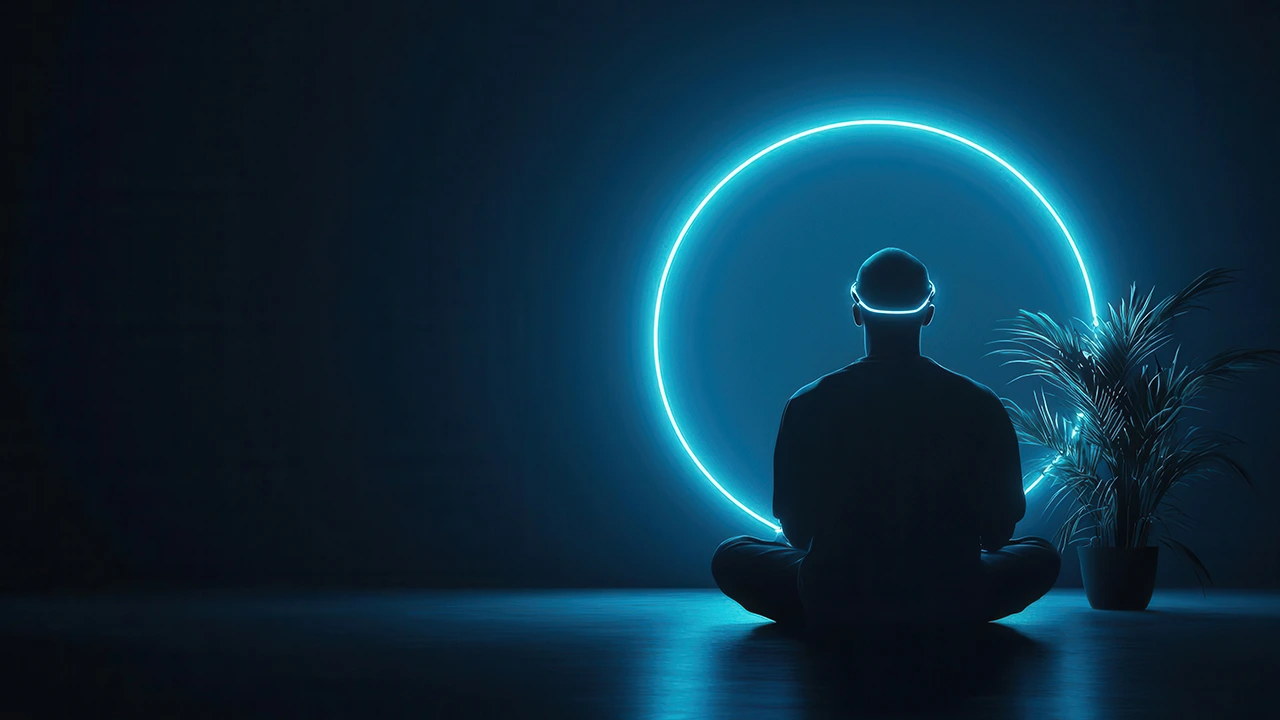
This blog post explores the transformative power of sound meditation in enhancing relaxation and mindfulness. It begins by detailing the benefits of sound meditation, including improved stress relief and deeper meditation experiences. The article then offers actionable advice on how to seamlessly incorporate sound meditation into your daily routine, making it accessible for everyone seeking peace and tranquility. To further support its claims, it presents statistics and expert opinions highlighting the effectiveness of sound meditation in various contexts. Finally, readers are provided with practical tips for maximizing their meditation sessions, ensuring a more enriching and calming practice. Embracing sound meditation can significantly improve mental well-being, paving the way for a more peaceful life.
Understanding The Benefits Of Sound Meditation For Relaxation

Sound meditation has emerged as a powerful tool for fostering relaxation and enhancing overall well-being. By utilizing sound frequencies, individuals can create a tranquil atmosphere that promotes deep relaxation and a profound state of inner peace. The rhythm of sound can aid in guiding breath patterns, allowing practitioners to enter a calm state more readily. This practice not only centers the mind but also enriches the meditation experience, making it easier to disconnect from daily stressors.
Key Benefits Of Sound Meditation
- Enhances Focus: Sound meditation sharpens concentration, allowing for deeper engagement during the practice.
- Promotes Relaxation: The soothing sounds induce a tranquil environment that supports relaxation.
- Reduces Stress: The calming effects of sound help alleviate stress and anxiety.
- Supports Emotional Healing: Sound vibrations can help to release emotional blockages.
- Improves Sleep Quality: Engaging with sound meditation before bed can lead to improved sleep patterns.
- Heightens Awareness: Practitioners often achieve a heightened state of mindfulness and awareness.
Incorporating sound meditation into your routine can create a profound shift in your mental and emotional landscape. By engaging in this practice consistently, you can cultivate a space that not only emphasizes breath control but also encourages an overall serene mindset. This engagement with sound ultimately supports your journey towards reaching a sustained, calm state, allowing for enhanced relaxation and clarity.
How To Incorporate Sound Meditation Into Your Routine

Integrating sound meditation into your daily routine can provide significant benefits for mental recovery and overall well-being. The consistent use of sound and music can enhance your meditation experience and facilitate a deeper state of relaxation. To get started, consider incorporating sound meditation at times when you feel stress or anxiety creeping in. This approach ensures that you are utilizing sound as a tool for mental recovery, optimizing your meditation practice to achieve the desired results.
| Type of Sound | Benefits | Recommended Use |
|---|---|---|
| Nature Sounds | Promotes calm and peace | During morning meditations |
| Binaural Beats | Enhances focus and relaxation | Throughout the workday |
| Instrumental Music | Stimulates emotional healing | Before sleep |
| Chanting | Deepens spiritual connection | During group sessions |
Sound meditation can involve a variety of auditory elements such as musiç nature sounds, or vocal tones. Each type of sound can elicit different emotional responses and effects. Some sounds may assist in grounding practices, while others may elevate mood or assist with mental recovery. Finding the right sound for your purpose is essential for maximizing the advantages of sound meditation.
Steps To Start Sound Meditation
- Begin by selecting a specific time each day to practice.
- Choose your sound source, whether it’s apps, recordings, or live sessions.
- Set your intention for the meditation session.
- Find a comfortable position that allows for relaxation.
- Close your eyes and focus on the sounds, allowing them to guide you.
- Notice any feelings or thoughts that arise without judgment.
- Gradually bring your awareness back with gentle sounds to conclude the session.
Choosing The Right Sounds
Choosing the appropriate sounds is crucial for promoting a fruitful sound meditation experience. Experiment with different types of soundscapes to determine what resonates best for your practice. Whether it’s calming nature sounds or uplifting melodies, prioritizing the right auditory backdrop can drastically transform your meditation journey.
Finding The Perfect Space
Your meditation environment plays an important role in the effectiveness of sound meditation. A quiet, comfortable space can enhance your ability to immerse yourself in the experience without distractions. Aim to create an area where you feel secure and at ease, allowing you to focus solely on the sound components and your internal mental recovery.
Statistics And Expert Opinions On Sound Meditation
Recent studies emphasize the profound effects of sound meditation on achieving a calm state of mind. Research indicates that participants who engaged in sound meditation reported a significant decrease in stress levels, improved emotional well-being, and increased ability to focus. These findings align with the understanding that sound frequencies can positively impact brain waves, leading to deeper relaxation and enhanced mental clarity.
Expert Insights On Sound Meditation
- Sound meditation can lower cortisol levels, promoting relaxation.
- Utilizing specific sound frequencies can facilitate deeper breathing.
- Incorporating sound can help maintain focus during meditation.
- Regular practice of sound meditation improves overall mental health.
- Experts recommend using instruments like singing bowls for an immersive experience.
- Sound meditation can be tailored to individual preferences for maximum benefit.
According to seasoned practitioners, breathing techniques play a crucial role in maximizing the benefits of sound meditation. By synchronizing breath with sound, individuals can enhance their ability to enter a relaxed state more quickly. Furthermore, many experts advocate for a dedicated practice schedule, suggesting that consistency can lead to a more profound sense of peace and mindfulness over time.
In conclusion, the combination of expert insights and compelling statistics underscores the potential of sound meditation as a transformative tool for achieving a calm state. As more people turn to this practice, it becomes evident that sound not only aids in meditation but is integral to enhancing overall mental health and emotional resilience.
Actionable Tips For Achieving A Better Meditation Experience
Enhancing your meditation practice can significantly contribute to your mental recovery and overall well-being. One effective way to do this is through sound meditation, which employs soundscapes to guide you deeper into a state of relaxation. Incorporating sounds intentionally can help you focus your thoughts, ground your emotions, and transcend distractions that may arise during meditation. This approach not only improves your sessions but also cultivates a richer, more immersive experience.
Essential Tips For Effective Meditation
- Choose a calm environment: Select a quiet space where you won’t be disturbed.
- Use sound intentionally: Select calming music or nature sounds that resonate with you.
- Practice regularly: Establish a consistent meditation schedule to enhance your practice.
- Focus on your breathing: Use sound to maintain rhythm in your breath, deepening relaxation.
- Stay present: Let sounds anchor you to the moment, avoiding wandering thoughts.
- Experiment with different sounds: Find what works best for your preferences and mental state.
- Be patient: Building a sound meditation practice takes time, so allow yourself to grow.
By implementing these strategies into your routine, you can create a more fulfilling and effective meditation experience. Remember that sound meditation serves as a powerful tool for enriching your mental recovery process. As you refine your approach, stay open to changes and give yourself the grace to adapt. Allow the sounds to guide your journey, and you may find that meditation transforms from a practice into a profound experience of self-discovery and peace.
Frequently Asked Questions
What is sound meditation and how does it work?
Sound meditation is a practice that uses sound to enhance the meditation experience. It involves listening to specific frequencies or types of musiç like singing bowls or nature sounds, to help calm the mind, reduce stress, and facilitate deeper relaxation.
What are the main benefits of sound meditation for relaxation?
The main benefits of sound meditation include reduced anxiety and stress levels, improved focus and clarity, enhanced emotional well-being, and deeper states of relaxation during meditation sessions.
Can anyone practice sound meditation, or is it designed for advanced practitioners?
Anyone can practice sound meditation, regardless of their experience level. It is accessible to beginners and can be easily integrated into any meditation routine to enhance the overall experience.
What types of sounds are most effective for sound meditation?
Effective sounds for sound meditation include nature sounds, Tibetan singing bowls, transformational sound frequencies, ambient musiç and guided meditations that incorporate sound healing.
How can I incorporate sound meditation into my daily routine?
You can incorporate sound meditation into your daily routine by setting aside a specific time each day to practice. This can be done by listening to soundtracks designed for meditation, joining sound healing sessions, or using sound apps that provide a calming auditory experience.
What kind of statistics support the effectiveness of sound meditation?
Studies have shown that sound meditation can lead to significant reductions in stress and anxiety. For instance, research indicates that participants often report a 70-80% improvement in mental clarity and relaxation after regular sound meditation practices.
What do experts say about the role of sound in meditation?
Experts suggest that sound plays a vital role in meditation by helping to anchor the mind and reduce distractions. They emphasize that sound can facilitate a smoother transition into meditative states and enhance overall relaxation.
Are there any scientific studies backing sound meditation?
Yes, several scientific studies support the effectiveness of sound meditation in reducing stress, improving mood, and enhancing overall mental well-being. These studies highlight how sound waves can affect the brain’s neurophysiological response.
What are some actionable tips for improving my sound meditation experience?
To improve your sound meditation experience, find a quiet space, use high-quality headphones or speakers, choose sounds that resonate with you, experiment with different types of sounds, and remain open-minded about the benefits of the practice.
Can sound meditation help with sleep issues?
Yes, sound meditation can help with sleep issues by promoting relaxation and calming the mind, making it easier to fall asleep and maintain a restful state throughout the night. Many people incorporate sound meditation into their bedtime routine for this reason.