
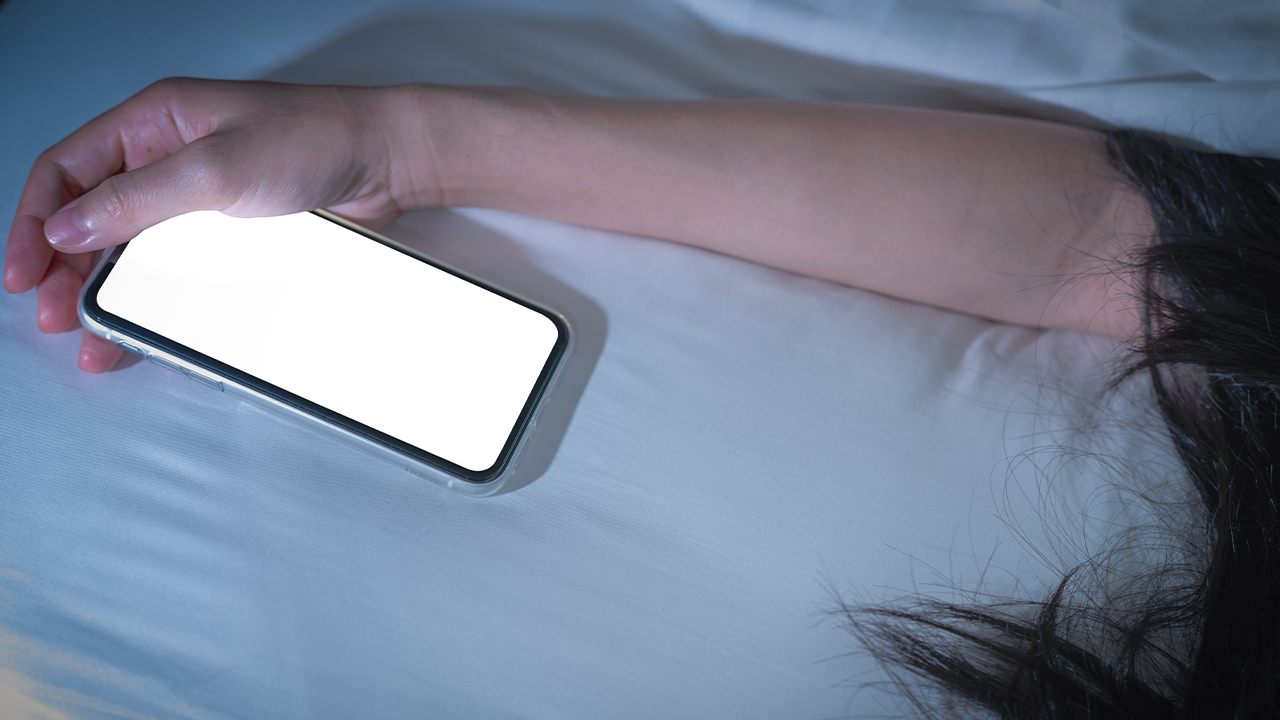
The article How Smartphones Are Changing Our Sleep Patterns explores the significant smartphone sleep effect on our nightly rest. It delves into the connection between smartphone usage and disrupted sleep patterns, highlighting how blue light emissions hinder melatonin production, which is crucial for sleep regulation. This disruption leads to difficulties in falling and staying asleep. The blog also presents effective strategies to improve sleep quality, such as establishing a digital curfew, utilizing night mode features, and creating a bedtime routine that minimizes screen time. Ultimately, it emphasizes the importance of taking deliberate actions to enhance sleep quality in our increasingly smartphone-dominated lives, advocating for a balance between technology use and healthy sleep practices.
Understanding The Connection Between Smartphones And Sleep Patterns
The prevalence of smartphones in our daily lives has raised concerns about their impact on sleep quality. Studies indicate that the blue light emitted by these devices can interfere with melatonin production, a hormone crucial for regulating sleep. As individuals engage with their smartphones before bed—whether scrolling through social media or catching up on emails—they often find it challenging to unwind, leading to sleep disturbances. This phenomenon is particularly alarming as sleep is essential for maintaining overall health and cognitive function.
Key Factors Influencing Sleep Quality
- Exposure to blue light before sleep
- Frequency and duration of smartphone usage
- Content consumed, such as entertainment versus work-related tasks
- Sleep environment, including lighting and noise
- Bedtime habits and routines established by smartphone interaction
- Age and individual sensitivity to blue light
Understanding these factors is vital for recognizing how smartphones can alter our sleep patterns. In a world where many people rely on their phones for entertainment and communication in the evenings, the potential for disrupted sleep becomes pronounced. The relationship between smartphones and the sleep effect cannot be overlooked, as it has far-reaching implications for mental and physical wellness. Thus, identifying strategies to mitigate these effects is pivotal for achieving better sleep health.
The Role Of Melatonin In Sleep Disruption Caused By Smartphones
As the usage of smartphones has become ingrained in our daily lives, the impact on our biological rhythms, particularly sleep, has raised significant concerns. A critical factor in sleep regulation is the hormone melatonin, which is responsible for signaling to our bodies when it is time to sleep. Exposure to smartphones, especially before bedtime, leads to disruptions in melatonin production, ultimately affecting sleep quality.
The blue light emitted from smartphone screens is especially detrimental to melatonin levels. This type of light inhibits the brain’s ability to produce melatonin, making it harder for individuals to fall asleep. A critical takeaway is that even utilizing the night mode settings on devices, which aim to reduce blue light, may not completely mitigate the effects experienced by frequent late-night users. Understanding this relationship is the first step toward improving sleep and overall health.
| Device Type | Blue Light Emission Level | Effect on Melatonin |
|---|---|---|
| Smartphone | High | Significantly disrupts production |
| Tablet | Moderate | Moderately affects levels |
| Computer | High | Significantly disrupts production |
| TV | Low to Moderate | Some disruption potential |
In addition to understanding how blue light affects melatonin, it’s essential to implement strategies to mitigate these disruptions. Many individuals may remain unaware of how their smartphone usage affects their sleep quality. Thus, prioritizing practices that foster better melatonin regulation can play a significant role in enhancing overall sleep hygiene.
Steps To Minimize Melatonin Disruption
- Limit smartphone use at least one hour before bedtime.
- Enable night mode settings on your devices.
- Create a screen-free bedtime routine.
- Use blue light blocking glasses in the evening.
- Keep your bedroom dark and cool for optimal sleep.
- Consider taking melatonin supplements after consulting a healthcare provider.
Best Practices For Melatonin Regulation
Incorporating practices such as maintaining a regular sleep schedule and engaging in relaxing activities before bed can significantly help in regulating melatonin levels. Activities that do not involve screens, like reading or meditative exercises, can help signal your brain that it is time to wind down. Through these practices, you can foster an environment conducive to healthy sleep, countering the negative effects that smartphones may impose on your sleep patterns.
Strategies To Improve Sleep Quality In A Smartphone-Dominated World
In today’s fast-paced digital landscape, smartphones play a pivotal role in shaping our daily routines and, unfortunately, our sleep quality. The blue light emitted from screens can interfere with the body’s natural circadian rhythms, making it challenging to wind down. To counteract the smartphone sleep effect, it is vital to establish and adhere to effective strategies that promote healthier sleep habits. Implementing these changes can help enhance your sleep quality significantly, allowing you to wake up refreshed and rejuvenated.
Helpful Tips For Better Sleep Hygiene
- Set a consistent sleep schedule by going to bed and waking up at the same time each day.
- Limit screen time at least one hour before bedtime to reduce exposure to blue light.
- Utilize night mode settings on your smartphone to minimize blue light emission during evenings.
- Create a calming pre-sleep routine that includes activities like reading or meditating.
- Keep the bedroom environment dark, cool, and quiet to promote better sleep conditions.
- Avoid caffeine and heavy meals close to bedtime to facilitate easier sleep onset.
- Consider using apps designed to improve sleep quality and track patterns for better understanding.
In addition to these tips, taking advantage of functionalities like the smartphone’s night mode settings can have a positive impact on your overall sleep health. By adjusting your device to filter out blue light exposure, you create a more conducive environment for winding down. Furthermore, establishing clear boundaries for smartphone usage helps reduce distractions during critical evening hours.
Ultimately, being mindful of your smartphone habits is essential in combating the negative effects on sleep quality. By adopting a proactive approach and implementing healthier routines, you can maximize your chances of achieving restful sleep. Remember, your health and well-being depend significantly on your ability to balance technology use and restorative sleep in today’s smartphone-dominated world.
Taking Action For Better Sleep Amid Smartphone Distractions
The increasing reliance on smartphones has drastically altered our sleep patterns, leading to a noticeable smartphone sleep effect. With the blue light emitted by screens inhibiting melatonin production, many individuals find it harder to fall asleep and get quality rest. Understanding how these devices interfere with our natural sleep cycle is crucial, but taking decisive action is even more vital for restoring restful nights.
Actionable Steps To Improve Sleep
- Set a screen time limit: Aim to stop using your smartphone at least an hour before bedtime.
- Enable night mode: Use night shift or blue light filters to reduce blue light exposure in the evening.
- Create a sleep-friendly environment: Dim the lights and keep your bedroom cool to promote relaxation.
- Establish a bedtime routine: Engage in relaxing activities, such as reading or meditation, to signal your body it’s time to sleep.
- Keep the smartphone out of reach: Charge your phone away from your bedside to minimize temptation.
- Consider using apps wisely: Opt for applications designed to promote sleep, such as white noise or meditation aids, instead of social media or gaming.
By implementing these actionable steps, you can mitigate the smartphone sleep effect and allow your body to naturally increase melatonin levels, leading to improved sleep quality. Taking control of your nighttime habits not only benefits your sleep cycle but enhances your overall well-being and productivity during the day.
Frequently Asked Questions
How do smartphones impact our sleep patterns?
Smartphones affect our sleep patterns primarily through blue light emission and mental engagement, which can disrupt our natural circadian rhythms and make it harder to fall asleep.
What is the smartphone sleep effect?
The smartphone sleep effect refers to the negative consequences that smartphone usage, especially before bedtime, has on sleep quality and duration.
Can using smartphones before bed lower melatonin levels?
Yes, the blue light emitted by smartphones can inhibit melatonin production, which is essential for regulating sleep cycles and promoting restful sleep.
What specific changes to sleep patterns occur due to smartphone usage?
Smartphone usage can lead to delays in sleep onset, reduced overall sleep duration, and increased instances of fragmented sleep.
Are there long-term effects of smartphone-related sleep disruption?
Yes, long-term disruptions from smartphone use can lead to chronic sleep deprivation, which may increase the risk of health issues such as anxiety, depression, and obesity.
What strategies can help mitigate the smartphone sleep effect?
Some effective strategies include setting a digital curfew, using blue light filters, and creating a relaxing bedtime routine free from screens.
Is it possible to improve sleep quality while still using a smartphone?
Absolutely. Implementing healthy sleep hygiene practices, such as scheduling screen-free evenings and minimizing phone notifications, can help enhance sleep quality.
How does smartphone distraction contribute to sleep issues?
Smartphone distractions from notifications or engaging content can lead to increased screen time, which delays bedtime and interrupts sleep cycles.
What actions can individuals take to encourage better sleep habits in a smartphone-centric environment?
Individuals can create a sleep-friendly environment, establish clear boundaries for smartphone usage, and prioritize relaxation techniques before bed.
Are there particular apps that can assist with sleep improvement?
Yes, various apps can help track sleep patterns, facilitate relaxation through guided meditations, and provide reminders for healthy sleep habits.