This blog post explores how dust and humidity can severely impact your phone’s sound quality. It begins by discussing the mechanisms through which dust accumulation and humid environments affect device speakers. Practical steps are then outlined to maintain optimal speaker performance, emphasizing regular cleaning and protective measures. The article further evaluates the long-term effects of humidity on phone sound, noting potential degradation over time if left unaddressed. Lastly, actionable tips are provided to help protect your phone from dust and humidity, ensuring continued high-quality audio output. By understanding how dust and humidity phone sound interact, users can take proactive measures to preserve their device’s functionality.
Understanding How Dust And Humidity Impact Your Device’s Sound
The sound quality of your phone can be drastically affected by environmental factors such as dust and humidity. Dust accumulation on the speaker and microphone can significantly hinder audio clarity, leading to muffled sound. Furthermore, high humidity levels can cause moisture to seep into your device, potentially damaging internal components and altering the sound profile. Therefore, maintaining the optimal operating conditions for your phone is essential for preserving both its sound quality and overall health.
Key Factors Affecting Sound Quality
- Dust accumulation on speaker grilles
- Moisture intrusion into internal circuits
- Microphone obstruction caused by debris
- Corrosion from prolonged humidity exposure
- Changes in audio reproduction due to material degradation
- Impact of temperature fluctuations on device integrity
Understanding how dirt and humidity impact your phone sound is crucial for users who rely on their devices for communication and entertainment. Poor sound quality not only affects phone calls but also the experience of listening to music or watching videos. Regular maintenance and awareness of how environmental conditions are affecting your devices can greatly improve your overall phone health. Proactive measures, such as cleaning your phone regularly and avoiding exposure to high humidity, can keep your device performing optimally.
Taking steps to mitigate dust and humidity exposure will not only enhance your phone’s sound quality but also prolong its lifespan.
In summary, the effects of dust and humidity on your phone’s sound can range from minor inconveniences to significant performance issues. It’s essential to remain vigilant about keeping your device clean and protected from moisture. By understanding and addressing these factors, you can ensure that your phone continues to deliver exceptional sound quality for years to come.
Practical Steps To Maintain Your Phone’s Speaker Quality
Maintaining the sound quality of your phone’s speakers is essential for an enjoyable listening experience. Factors like dust and humidity can significantly degrade sound quality over time, leading to muffled audio and reduced clarity. Regular speaker maintenance helps ensure that your phone continues to perform at its best. By understanding the impacts of environmental conditions and taking proactive measures, you can prolong the lifespan and functionality of your device’s audio output.
| Impact Factor | Effect on Sound Quality | Preventive Measure |
|---|---|---|
| Dust Accumulation | Muffled sound, reduced clarity | Regular cleaning |
| High Humidity | Speaker damage, distortion | Avoid exposure to moisture |
| Temperature Fluctuations | Decreased speaker performance | Store in a stable environment |
| Poor Ventilation | Overheating, sound distortion | Ensure proper airflow |
Dust and humidity are two of the most notable adversaries to your phone’s sound system. Dust can collect in the speaker grilles, causing audio to sound muffled or distorted. Meanwhile, air moisture can infiltrate delicate internal components, leading to corrosion or other lasting damage. It is crucial to recognize these threats early so that you can take steps to prevent detrimental effects on your speaker’s performance.
Why Speaker Maintenance Matters
Investing time in speaker maintenance not only improves sound quality but also enhances the overall lifespan of your device. When audio components are clean and dry, they operate more efficiently, producing better sound output. Ignoring these factors can lead to costly repairs or replacements, not to mention a frustrating audio experience. By understanding what affects speaker performance, you can take actionable measures to protect your investment.
Steps For Speaker Maintenance
- Regularly clean the speaker grilles with a soft brush or cloth.
- Use a can of compressed air to remove particle build-up.
- Keep your phone dry and store it in a moisture-free environment.
- Limit exposure to areas with high humidity, such as bathrooms.
- Ensure proper ventilation while using audio functions to avoid overheating.
- Invest in a quality phone case that helps guard against dust and moisture.
- Schedule periodic professional inspections if you suspect speaker issues.
Understanding how air moisture affects speakers is also key in maintaining the quality of your phone’s sound. Humidity can warp and damage the materials inside the speaker, resulting in decreased sound clarity and volume. By being proactive about guarding against moisture, you help preserve your device’s audio integrity. Prioritizing this maintenance ensures that you can enjoy high-quality sound for years to come, regardless of the environmental challenges you might face.
Evaluating The Long-Term Effects Of Humidity On Phone Sound
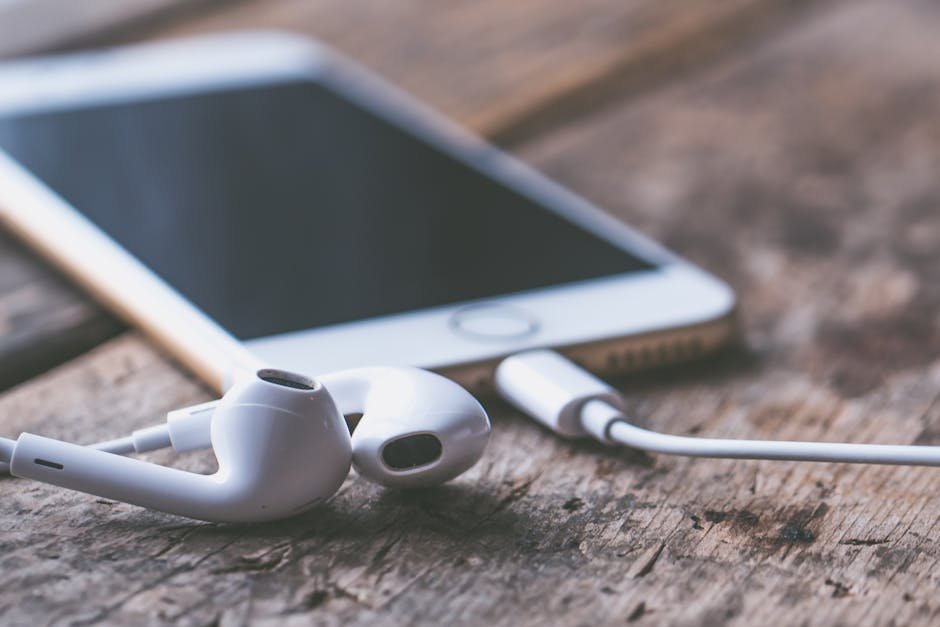
The impact of humidity on your phone’s sound quality is often overlooked, yet it plays a crucial role in determining your device’s performance over time. When air moisture levels rise, it can seep into your phone, affecting its internal components, especially the speakers. This not only leads to a degradation in sound quality but can also have significant implications for overall phone health.
Long-term exposure to high humidity can cause corrosion and damage to the circuitry within your phone’s audio components. As moisture accumulates, it can interfere with electrical connections, leading to intermittent issues such as distortion, decreased loudness, or complete audio failures. It is essential to monitor environmental conditions and take necessary precautions to minimize potential damage from dust and humidity in order to extend the lifespan of your device. Effects of Humidity on Phone Sound Quality
| Humidity Level | Effects on Sound Quality | Potential Long-Term Damage |
|---|---|---|
| 30-40% | Normal sound quality. | Minimal risk. |
| 40-60% | Subtle distortion may occur. | Possible minor circuit issues. |
| 60-80% | Significant distortion and muffled sound. | Corrosion risk increases. |
| Above 80% | Severe audio degradation. | Critical failure of audio components. |
Recognizing the warning signs when a phone is affected by humidity is crucial for timely intervention. If you begin to notice a decline in sound quality, such as crackling or muffled audio, it may be indicative that moisture is impacting the device. Addressing these symptoms early can help to mitigate long-term damage and maintain audio performance.
Signs Your Phone Is Affected By Humidity
Common indicators of humidity-related issues in phones include:
- Poor sound quality and audio distortion.
- Unresponsive touch screen or buttons.
- Random reboots or system crashes.
- Visible condensation on the screen or internal components.
- Corroded charging ports or connectors.
These signs should prompt immediate action to safeguard your device and maintain optimal functionality. It’s essential to understand how to deal with water damage should humidity levels rise significantly in your environment.
Dealing With Water Damage
If you suspect that your phone has been affected by excess moisture, acting quickly is vital. Start by powering down the device to prevent further electronic damage. Gently wipe away any visible moisture and avoid using heat sources like hair dryers, as they can cause additional harm. Instead, placing your phone in a container with uncooked rice or silica gel packets can help absorb moisture effectively.
Long-term exposure to air moisture can have detrimental effects on your phone’s sound quality and overall performance. By understanding these risks and actively taking steps to protect your device, you can ensure that it continues to operate at its best, maintaining both audio clarity and phone health.
Actionable Tips To Protect Your Phone From Dust And Humidity
Protecting your phone from dust and humidity is essential for maintaining its overall health and ensuring optimal sound quality. Dust particles can accumulate in your device’s speaker and ports, obstructing sound waves and causing distorted audio. Humidity, on the other hand, can lead to corrosion of internal components, further compromising your phone’s performance. By being proactive with speaker maintenance and implementing simple protective measures, you can extend your device’s lifespan while enhancing its sound clarity.
Tips To Enhance Phone Longevity
- Use a protective case that offers dust and moisture resistance.
- Avoid using your phone in excessively humid environments.
- Regularly clean your phone’s speaker and ports with a soft brush or cloth.
- Store your phone in a dry place when not in use.
- Consider using silica gel packets in your phone case to absorb moisture.
- Be mindful of where you place your phone, avoiding dusty or damp surfaces.
- Limit exposure to extreme temperatures, as this can worsen humidity effects.
By implementing these simple strategies, you can significantly reduce the risks posed by dust and humidity on your phone, which ultimately safeguards your investment while keeping your audio experience rich and clear.
Taking these steps is critical for maintaining phone health. Not only will you protect your device from immediate dust and humidity threats, but you will also contribute to its long-term durability. Keeping the components clean and dry ensures that the sound output remains as crisp and clear as possible, enabling you to enjoy a great audio experience whether you are listening to music or taking calls.
Frequently Asked Questions
What types of dust can affect my phone’s sound quality?
Fine particles like sand, pollen, and dirt can accumulate in your phone’s speaker grills, causing muffled sound and reduced audio clarity.
How does humidity impact the sound quality of my phone?
High humidity can lead to moisture build-up within your phone, affecting the speaker components and potentially leading to distorted sound or reduced volume.
Can exposure to dust and humidity damage my phone permanently?
Yes, prolonged exposure can cause permanent damage to the internal components, especially if moisture leads to corrosion or dust blocks sound pathway.
What regular maintenance should I do to protect my phone’s speakers?
Regularly clean the speaker grills with a soft, dry brush or a microfiber cloth, and avoid exposing your phone to dusty or humid environments.
Is it safe to use moisture absorbers near my phone?
Yes, using moisture absorbers can help maintain a dry environment, but ensure they are placed safely away from direct contact to avoid accidental damage.
How can I tell if dust has affected my phone’s sound quality?
If you notice muffled audio, reduced volume, or distorted sound, it may indicate that dust or debris has accumulated in or around the speaker.
What immediate action should I take if my phone gets wet?
Turn off your phone immediately, remove any accessories, and dry it thoroughly with a soft cloth. Avoid charging it until you’re certain it’s dry.
Are there any smartphone models that are more resistant to dust and humidity?
Yes, many modern smartphones come with IP ratings indicating water and dust resistance, but it’s still essential to take care of them to maintain sound quality.
What are some effective ways to prevent dust from entering my phone?
Use phone cases with port covers, avoid placing your phone in dusty environments, and periodically clean the surface and ports to eliminate dirt buildup.
How does prolonged humidity exposure affect the long-term performance of my phone?
Long-term exposure can lead to lasting damage through corrosion and decay of internal components, which can decrease audio performance and overall functionality.