
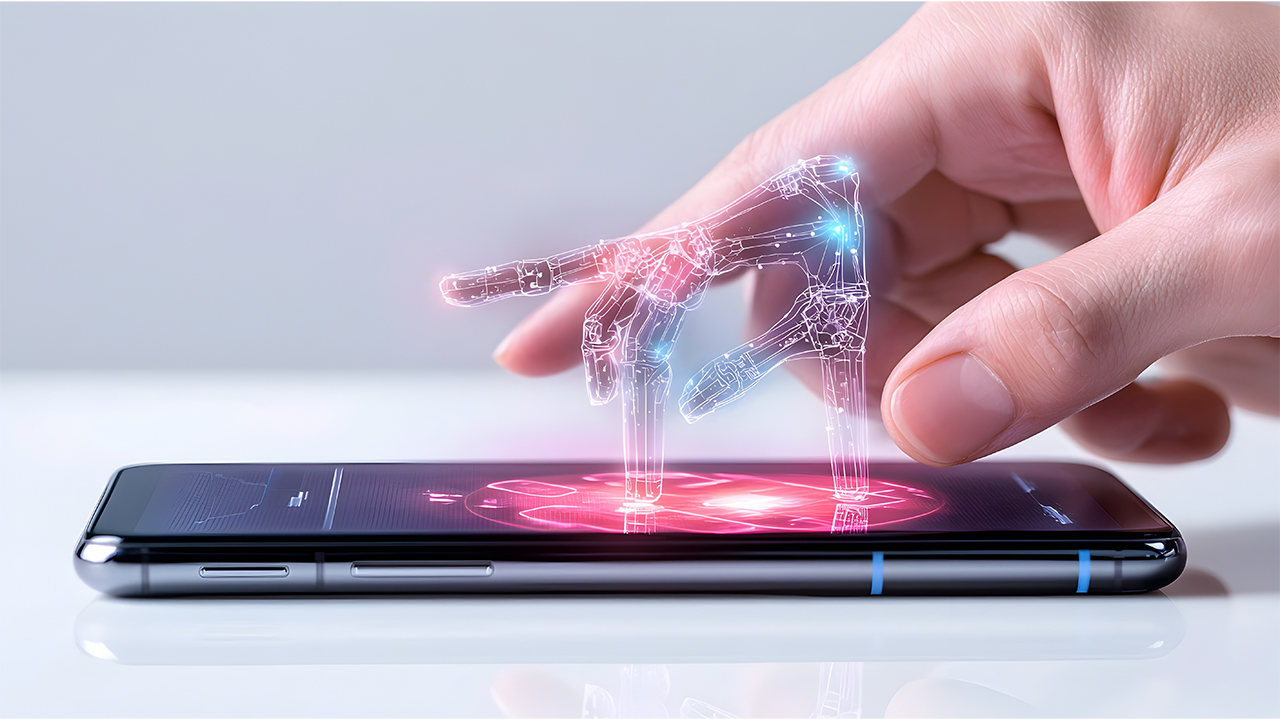
This blog post explores how AI smartphones are revolutionizing mobile innovation, enhancing user experience, and transforming device functionality. It discusses the role of AI performance and advanced neural chips, which allow smartphones to process data more efficiently and offer personalized experiences. Voice assistants powered by AI are also highlighted, showcasing how they maximize smart devices to support everyday tasks. The article emphasizes the importance of embracing the evolution of AI in smartphones, urging readers to take action and stay updated on the latest technological advancements. Overall, the integration of AI is paving the way for smarter, more intuitive mobile devices that redefine our interaction with technology.
Exploring The Impact Of AI On Mobile Innovation
The integration of AI smartphones in today’s tech landscape marks a significant leap in mobile innovation. By harnessing advanced algorithms and machine learning, modern smartphones are not only becoming smarter but also more intuitive. Users can expect their devices to learn and adapt to their preferences, enhancing the user experience in unprecedented ways. For instance, features like predictive text, camera enhancements, and personalized content delivery are all outcomes of AI’s capabilities. As a result, these smart devices are revolutionizing how we interact with technology daily.
Key Aspects Of Mobile Innovation Powered By AI
- Enhanced user experience through personalized interfaces
- Improved battery life management via intelligent resource allocation
- Advanced camera functionalities, including real-time image processing
- Voice recognition and natural language processing for seamless interaction
- Robust security features with AI-driven fraud detection
- Efficient data analysis for tailored applications and services
- Smart home integration, allowing for unified device control
As we delve deeper into these innovations, it becomes evident that AI plays a critical role in shaping the future of smart devices. The rise of AI smartphones not only enhances usability but also ensures that these devices continue to evolve, meeting the ever-changing needs of consumers. Manufacturers are increasingly prioritizing AI integration, recognizing that the future of mobile innovation hinges on creating tools that prioritize user convenience and efficiency.
Understanding The Role Of AI Performance And Neural Chips
The integration of AI performance in smartphones has revolutionized user experiences by personalizing interactions and optimizing device functionalities. By leveraging intelligent algorithms, smartphones can now process data more effectively, resulting in faster responses and smoother operations. As AI becomes more integral to mobile technology, understanding the underlying hardware that supports this performance is crucial.
Neural chips play a significant role in enhancing AI performance within these devices. These specialized processors are designed to execute deep learning tasks efficiently, allowing smartphones to handle processes like image recognition, natural language processing, and various predictive tasks. With neural chips, smartphones can learn and adapt to user behaviors, making them more intuitive in day-to-day operations.
| Smartphone Model | AI Processing Chip | Key Features |
|---|---|---|
| Model A | Neural Chip X | Real-time language translation, enhanced photography |
| Model B | Neural Chip Y | Facial recognition, smart battery management |
| Model C | Neural Chip Z | Contextual AI assistant, predictive text suggestions |
To effectively enhance AI performance in smartphones, manufacturers need to focus on several key areas. These include optimizing algorithms, improving power efficiency, and supporting advanced functionalities through better software integration. Additionally, the adoption of cutting-edge neural chips can significantly elevate the smartphone’s capabilities, allowing for improved processing speeds and complex task management.
Steps To Improve AI Performance In Smartphones
- Optimize algorithms for specific tasks for faster processing.
- Utilize advanced neural chips that offer higher computational power.
- Enhance battery efficiency to support prolonged AI operations.
- Incorporate user feedback mechanisms to refine AI learning.
- Integrate robust software support for seamless operations.
- Leverage cloud computing for data-intensive AI responsibilities.
- Regularly update AI systems to include the latest advancements.
Importance Of Neural Chips
The advent of neural chips marks a turning point in how smartphones manage AI performance. Unlike traditional processors, these chips are tailored for handling complex AI tasks swiftly and efficiently. Their design allows for parallel processing of data, making them exceptionally well-suited for applications that require deep learning and real-time analysis. As AI technologies continue to evolve, the role of neural chips will be paramount in ensuring smartphones remain at the forefront of innovation.
Maximizing Smart Devices With Voice Assistants
With the rapid advancements in AI smartphones, the role of voice assistants has become increasingly significant. These intelligent technologies not only enhance the user experience but also integrate seamlessly with various smart devices. By utilizing voice commands, users can access applications, control device settings, and perform a multitude of tasks effortlessly, demonstrating the transformative power of voice assistance in daily activities.
Benefits Of Integrating Voice Assistants In Smart Devices
- Enhanced convenience through hands-free operation
- Improved accessibility for users with disabilities
- Increased efficiency in executing tasks and retrieving information
- Ability to control multiple smart devices with a single command
- Improved personalization through learning user preferences
- Integration with home automation for seamless living
As AI continues to evolve, the synergy between smart devices and voice assistants is set to bring forth more innovative features. From intuitive responses to contextual understanding, these voice technologies are designed to adapt to user habits and preferences, making interactions more natural. This constant evolution ensures that the capabilities of AI smartphones are maximized, providing richer and more engaging experiences for users.
Incorporating voice assistants into smart devices not only revolutionizes the way we interact with technology but also enhances the potential of artificial intelligence in smartphone development.
Take Action: Embrace The Future Of AI Smartphones
The advent of AI smartphones is transforming the mobile experience, enhancing not just performance but also user interaction. With advancements in machine learning and natural language processing, these devices are becoming more intuitive and responsive to individual needs. This wave of mobile innovation is not just about faster processors; it’s about creating a seamless engagement between users and their devices that molds itself to their preferences and habits, making everyday tasks more efficient and enjoyable.
Next Steps For Adopting AI Smartphones
- Research the latest AI smartphone models and their features.
- Evaluate your current mobile needs and how an AI smartphone can address them.
- Follow reviews and feedback from users to gauge real-world performance.
- Consider the integration of AI capabilities with your existing smart home devices.
- Explore customizable AI settings to enhance your personalization.
- Stay updated on software updates that improve AI functionalities over time.
- Prepare to embrace new apps and features that leverage AI technology.
As the technology continues to evolve, the potential for AI smartphones grows exponentially. The options for customization, such as personalized voice commands and application management based on usage patterns, make it critical to adapt and maximize the benefits of such advanced devices. Embracing this future means not just upgrading your hardware but also adopting a new mindset that embraces technological assistance in enhancing daily life.
Frequently Asked Questions
How does AI enhance the performance of smartphones?
AI enhances smartphone performance by optimizing resource management, improving battery life, and enabling faster processing speeds through intelligent algorithms that handle tasks more efficiently.
What are neural chips and how do they affect AI smartphones?
Neural chips are specialized processors designed to handle AI tasks more effectively, allowing smartphones to perform machine learning operations faster and with lower energy consumption, thus boosting overall device performance.
How do voice assistants utilize AI technology in smartphones?
Voice assistants utilize AI technology to understand natural language, process user commands, and provide personalized responses, making interactions more intuitive and efficient for users.
What features of AI smartphones stand out in terms of multitasking?
AI smartphones can prioritize tasks dynamically, allocate system resources based on usage patterns, and anticipate user needs, enabling seamless multitasking without noticeable lag.
In what ways can AI improve camera capabilities in smartphones?
AI can enhance camera capabilities by enabling features such as scene recognition, automatic adjustments for optimal settings, advanced image processing, and even real-time enhancements for photography.
What role does machine learning play in AI smartphones?
Machine learning allows AI smartphones to learn from user behaviors and preferences over time, leading to a personalized experience that can adapt applications and settings according to individual usage.
Is AI technology in smartphones secure?
AI technology can enhance security features in smartphones, such as facial recognition and anomaly detection, but it also raises concerns about data privacy and the need for robust safeguards.
How can users maximize the capabilities of AI in their smartphones?
Users can maximize the capabilities of AI in their smartphones by utilizing features like voice recognition, context-aware applications, and battery optimization settings, ensuring they make the most out of their device's technology.
What future trends can we expect in AI smartphones?
Future trends in AI smartphones may include even smarter digital assistants, improved processing capabilities, integration with IoT devices, and advancements in augmented reality, further enhancing user interaction.
Why should consumers embrace AI smartphones now?
Consumers should embrace AI smartphones now to experience cutting-edge technology that offers improved performance, personalized features, enhanced photography, and better overall user experiences, shaping the future of mobile communication.