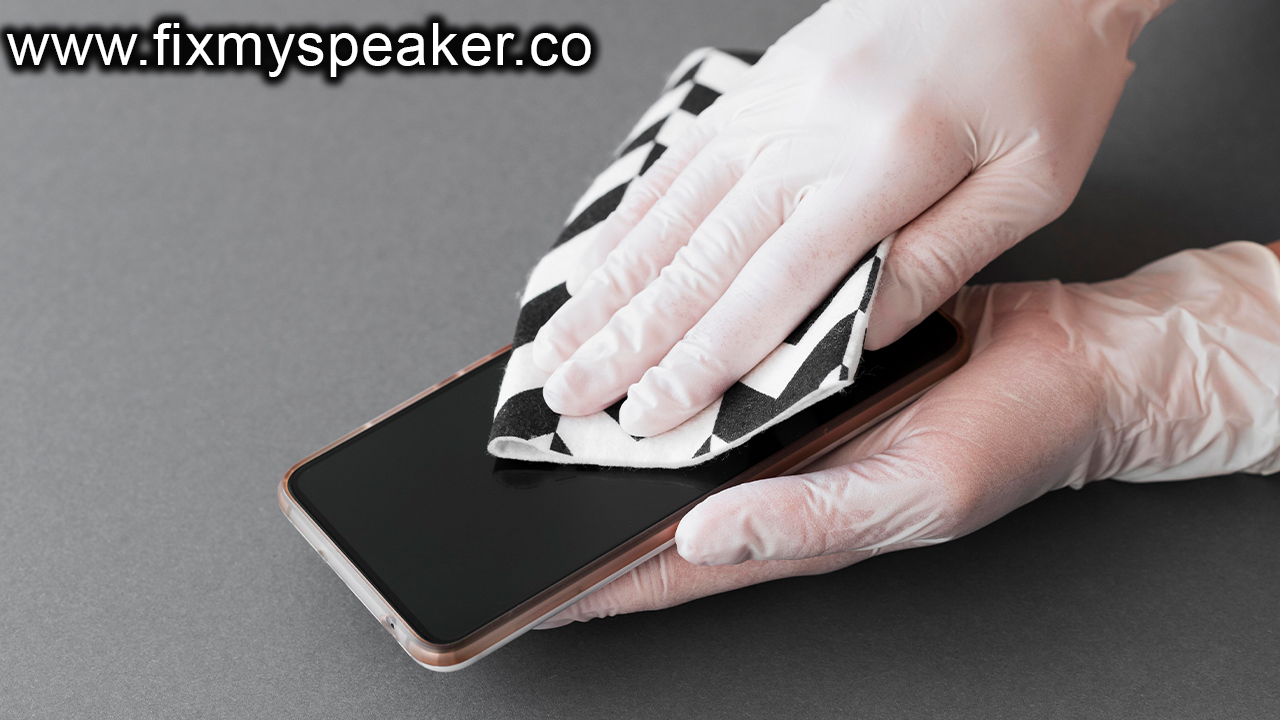
In the blog post Top 5 Mistakes People Make When Cleaning Their Phone Speakers, readers are educated on common errors while trying to clean phone speakers. The article highlights frequently made mistakes, such as using the wrong materials that may damage the device. It also outlines effective methods to clean phone speakers safely, ensuring optimal sound quality. Additionally, the piece discusses the negative effects of improper cleaning techniques that can lead to permanent damage or poor performance. To help maintain phone speakers, actionable tips are provided, promoting long-term care and upkeep. By applying these insights, users can ensure their devices remain functional and free of debris, enhancing their overall audio experience.
Common Mistakes Made When Cleaning Phone Speakers
Cleaning phone speakers is an essential part of phone care that many users overlook. However, improper cleaning techniques can lead to decreased sound quality or even damage to the speaker components. One common mistake is using excessive moisture, which can seep into the speaker and cause electrical issues. Additionally, using harsh chemicals or abrasive materials can scratch or degrade the speaker surfaces, ultimately impacting performance.
Top 5 Common Mistakes:
- Using water directly on the speaker grille
- Employing harsh cleaning agents or solvents
- Neglecting to let the phone dry after cleaning
- Forgetting to remove the phone case during cleaning
- Using cotton swabs that can leave fibers behind
Another frequent oversight is failing to use appropriate tools for cleaning. For instance, many people mistakenly reach for paper towels, which can scratch delicate components. Instead, opt for a soft microfiber cloth to gently clean the surfaces around the speakers. Regularly following these cleaning tips can help maintain the clarity and functionality of your phone’s audio output.
Methods To Effectively Clean Phone Speakers
When it comes to maintaining audio quality, knowing how to properly clean phone speakers is essential. Many users overlook this vital aspect, which can lead to diminished sound performance over time. Cleaning your phone speakers regularly not only enhances audio clarity but also prolongs the device’s life. However, it’s critical to approach this task with care to avoid damage to the speakers or the device itself.
One primary concern when attempting to clean phone speakers is the risk of unintentionally pushing dirt or debris further into the device. Therefore, employing the right techniques and materials is crucial. Understanding the correct methods can prevent you from making common mistakes that lead to speaker damage. Below is a table that outlines some preferable practices and materials you should use for cleaning.
| Cleaning Method | Materials Used | Benefits |
|---|---|---|
| Dry Brush | Soft-bristled brush | Removes dust and debris without moisture |
| Compressed Air | Air canister | Blows out loose particles |
| Microfiber Cloth | Microfiber fabric | Gentle cleaning without scratching |
| Wet Wipe | Isopropyl alcohol wipe | Disinfects and cleans stubborn grime |
Before delving into specific techniques, it’s important to gather the right materials. Having the appropriate tools at hand ensures effective cleaning while minimizing the risk of damaging your phone speakers. Below, we outline recommended cleaning tools to help you proceed with confidence.
Material Recommendations
Choosing the right materials is integral in learning how to clean phone speakers effectively. Soft, non-abrasive materials are highly recommended. For example, a soft-bristled brush is excellent for clearing out loose dust without causing scratches. Similarly, a microfiber cloth can be useful in wiping down surfaces without leaving behind lint. Always avoid using sharp objects or excessively wet items, which can harm the speakers and other components.
Cleaning Tools
In addition to soft-bristled brushes and microfiber cloths, consider using compressed air to dislodge dirt particles that are hard to reach. This is particularly useful for older devices where debris may have accumulated over time. If your speakers are particularly grimy, gentle wipes with isopropyl alcohol can effectively disinfect and clean without introducing excess moisture that could lead to damage.
Steps To Clean Phone Speakers:
- Power off your phone.
- Use a soft-bristled brush to gently remove surface dust.
- Blow out debris using compressed air, keeping a safe distance.
- Wipe the surface with a dry microfiber cloth.
- If necessary, use a wet wipe to clean stubborn areas gently.
- Allow the phone to dry completely before powering it back on.
- Regularly repeat this process to maintain clarity and prevent damage.
By understanding these practices and using recommended materials, you can successfully clean phone speakers while ensuring that you avoid damage. With proper care, your device’s audio quality can be preserved, enhancing your listening experience for years to come.
Effects Of Improper Cleaning Techniques
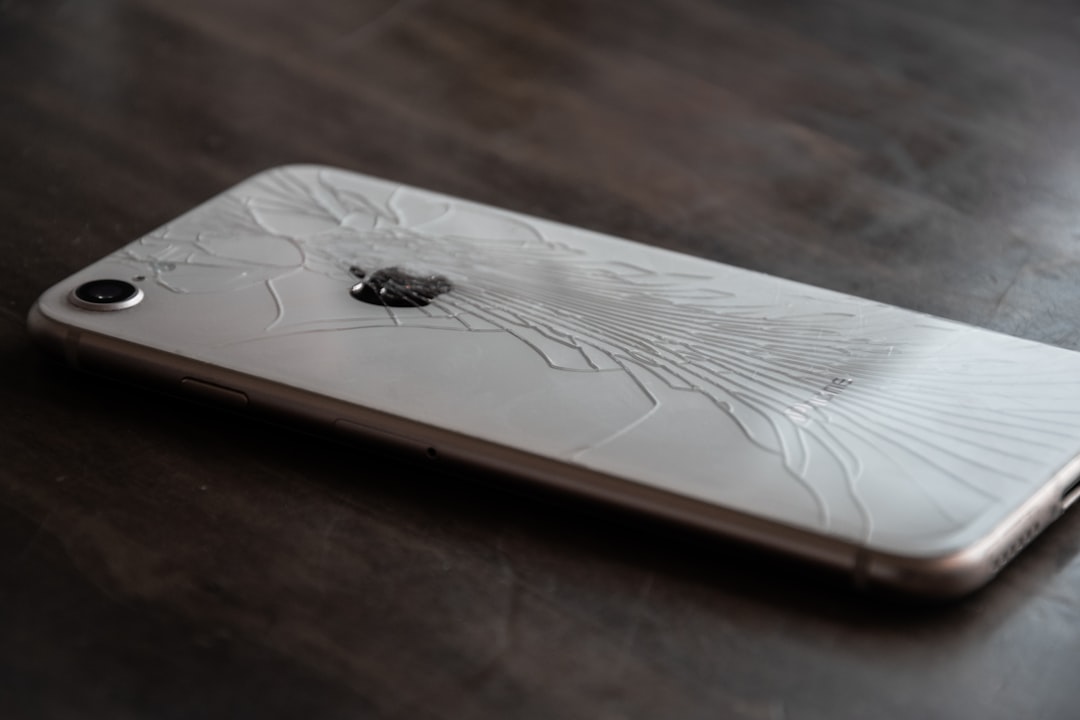
Improper cleaning techniques can substantially affect the performance and lifespan of your phone speakers. When people attempt to clean phone speakers without the right methods, they often inadvertently cause more harm than good. Common mistakes, such as using excessive moisture or abrasive materials, can lead to irreversible damage. As a result, the sound quality may decline, necessitating a sound restore that can be both costly and time-consuming.
Consequences of Improper Cleaning:
- Blockage of sound channels due to debris accumulation.
- Water damage leading to internal component failure.
- Scratches or dents on the speaker grille.
- Loss of audio clarity and volume.
- Potential for more serious issues, such as short-circuiting.
- Voids warranty due to incorrect cleaning methods.
In addition to compromising sound quality, improper cleaning can also have long-term impacts on your device. Many individuals may not realize that certain cleaning products contain substances that are harsh on electronics. Continual exposure can lead to gradual corrosion or degradation of the speaker’s materials, resulting in a decline in audio performance over time. It is essential to follow proper cleaning tips to ensure that the functionality of your device remains intact.
Long-term Impacts
Over time, repeated use of incorrect cleaning techniques can create a dependency on repairs or replacements, leading to increased expenses. Users may find themselves confronting diminished audio quality as persistent damage accumulates. Therefore, it becomes crucial to prioritize effective cleaning methods to maintain the integrity of your device. By avoiding improper cleaning techniques, you pave the way for a longer-lasting and better-performing audio experience with your phone.
Actionable Tips For Maintaining Phone Speakers
Maintaining your phone speakers is crucial for optimal performance and longevity. Regular phone care can prevent dust and debris accumulation, which might degrade sound quality over time. It’s essential to adopt practices that not only enhance the audio experience but also avoid damage to the speaker components. By incorporating these actionable tips, you can keep your phone’s speakers in excellent condition.
Quick Maintenance Tips:
- Regularly check speaker grilles for dust and debris.
- Use a soft brush or microfiber cloth for gentle cleaning.
- Avoid exposing your phone to moisture or extreme temperatures.
- Keep your phone away from sandy environments or where food particles could enter the speaker.
- Store your device in a protective case when not in use.
By following these strategies, you enhance the longevity of your phone speakers while ensuring high-quality sound. Remember that consistent care can make a significant difference in maintaining a device that is vital for day-to-day communication and entertainment. Prioritizing these tips not only preserves functionality but also protects against potential damages that might arise from neglectful practices.
Frequently Asked Questions
What are the common mistakes people make when cleaning their phone speakers?
Common mistakes include using excessive moisture, using sharp objects that can scratch or damage the speaker grill, overlooking tiny debris, and using inappropriate cleaning solutions.
Is it safe to use compressed air to clean phone speakers?
Yes, using compressed air can be safe if used at a distance and with caution; it helps blow out dust and debris without direct contact that could damage the speakers.
What household items can I use to clean my phone speakers effectively?
You can use a soft-bristled toothbrush, microfiber cloths, and cotton swabs to gently clean your phone speakers without causing damage.
How often should I clean my phone speakers?
It’s advisable to clean your phone speakers every few weeks, or whenever you notice a decrease in sound quality or accumulation of dirt.
What negative effects can improper cleaning techniques have on my phone speakers?
Improper cleaning techniques can lead to permanent damage such as reduced sound quality, malfunctioning speakers, or even voiding warranties.
Can liquid enter the phone through the speaker grills when cleaning?
Yes, if too much liquid is used, it can seep into the phone and cause internal damage, so always opt for dry cleaning methods or minimal moisture.
Are there specific cleaning solutions I should avoid when cleaning phone speakers?
Avoid harsh chemicals, alcohol-based cleaners, and any liquid that can potentially seep into the phone or damage sensitive materials.
What are some actionable tips for maintaining phone speakers?
Regularly check and clean speaker grills, avoid exposing your phone to extreme conditions, and use a case that protects from dust and moisture.