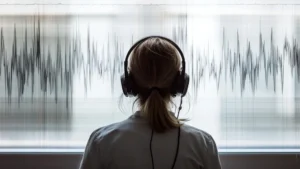

This article explores how workplace noise influences employee memory, emphasizing the keyword noise memory impact. It begins by understanding the effects of varying noise levels on memory function, revealing that excessive noise can hinder concentration and retention of information. The blog highlights the connection between high noise levels and decreased cognitive performance, affecting tasks involving memory recall. To combat these negative effects, the article suggests implementing strategies to mitigate workplace noise, such as soundproofing measures or creating quiet zones. Additionally, it provides actionable steps for enhancing memory in noisy environments, such as using noise-canceling headphones or incorporating relaxation techniques. Overall, the piece underscores the importance of addressing noise in the workplace to improve employee memory and boost overall productivity.
Understanding How Workplace Noise Affects Memory
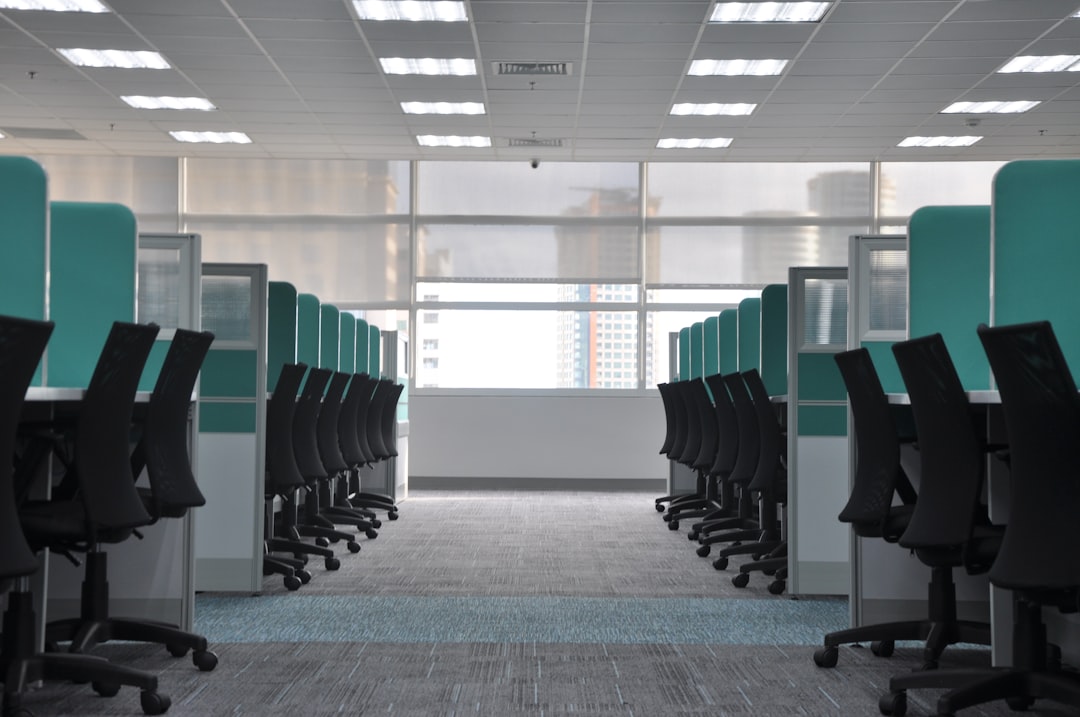
Workplace noise can significantly influence an employee’s memory, particularly as it pertains to their ability to concentrate and retain information. Studies have shown that excessive noise distracts employees, leading to a reduction in overall performance. This connection reveals how crucial it is for workplaces to understand the noise memory impact to foster an environment conducive to productivity. The human brain has a concentration limit, and when this limit is exceeded by disruptive auditory stimuli, employees often struggle to perform effectively during tasks that require cognitive engagement.
Key Factors Influencing Memory Impact
- Volume of Surrounding Noise
- Type of Noise (e.g., conversations, machinery)
- Duration of the Exposure
- Personal Sensitivity to Distractions
- Type of Work Being Done
- Employee’s Familiarity with Task
The way noise affects memory can vary from individual to individual based on these factors. Research often includes performance tests to analyze how memory function fluctuates in noisy environments versus quieter settings. This understanding can pave the way for implementing changes within workplace layouts and noise management strategies that prioritize both employee well-being and operational efficiency. By acknowledging these influences, organizations can make informed decisions to minimize the detrimental effects of ambient noise on memory retention.
The Connection Between Noise Levels And Memory Function

Numerous studies have demonstrated a clear correlation between noise levels in workplace environments and the noise memory impact on employee cognitive functions. Elevated noise can impede the brain’s ability to process and retain information, thereby influencing memory retention. When employees are exposed to distracting sounds, it becomes increasingly challenging for them to concentrate, making it difficult to execute memory-dependent tasks effectively. This effect can have a significant impact on overall productivity in professional settings, influencing both individual and team performance.
A study highlighted that individuals exposed to higher levels of noise experienced considerable challenges during performance tests that required strong memory capabilities. Many participants struggled to remember sequences of information while faced with disruptive sounds. This indicates that when noise levels are high, the cognitive load on employees increases, which ultimately leads to a decline in memory efficiency and retention. To better understand how different types of noise impact memory functions, knowing the distinctions between various noise types is essential.
| Type of Noise | Memory Impact | Example |
|---|---|---|
| Continuous Noise | Minor interference but significant over time | Air conditioning units |
| Intermittent Noise | Higher impact due to disruption | Telephone ringing |
| Speech Noise | Severe impact on concentration | Coworkers chatting |
| Technology Noise | Variable impact based on context | Alerts from devices |
Understanding the different types of noise is vital in assessing their effects on memory performances. To accurately measure how workplace noise affects memory function, organizations need systematic approaches and specific tools designed to evaluate cognitive performance under various auditory conditions. This exploration allows employers to identify optimal strategies that could mitigate distracting elements within their work environments.
Steps To Assess Memory Impact
- Identify typical noise levels in the workplace using sound level meters.
- Conduct baseline memory performance tests to establish a reference point.
- Introduce controlled noise in specific work areas for comparative analysis.
- Utilize cognitive tests designed to assess memory retention under different noise conditions.
- Analyze results for trends and significant variations in memory performance.
- Gather employee feedback on perceived impacts of noise on their work.
- Implement strategies to mitigate noise and retest memory performance.
The results of these analyses can steer effective measures to create quieter work zones, promoting environments that enhance memory retention and overall productivity. As organizations seek to maximize efficiency, the importance of understanding the noise memory impact cannot be overstated, especially in modern workplaces where distractions are omnipresent.
Types Of Noise
Different types of noise can elicit varied responses within the brain, affecting memory function in distinct ways. Continuous noises, like the hum of HVAC systems, may cause mild distractions, while intermittent noises, such as ringing phones, can interrupt the flow of thought. Speech noise, characterized by conversations amongst colleagues, often has the most pronounced effect, hindering concentration and memory recall significantly. Understanding these distinctions helps in formulating strategies to alleviate their impact.
Measuring Memory Performance
When exploring the relationship between workplace noise and memory function, it becomes imperative to establish effective measurement tools. Utilizing performance tests designed to assess memory under varied noise conditions can yield insightful data. These tests can provide a quantifiable measure of how noise influences cognitive tasks, allowing employers to make informed decisions regarding workplace design and noise management.
Mitigating The Negative Effects Of Noise In The Workplace
Workplace noise can significantly hinder employee productivity and memory function. The noise memory impact not only disrupts learning but also affects concentration limits, leading to increased stress and decreased job performance. A noisy environment can create challenges in focusing on tasks, resulting in compromised retention of information. Employees might find it difficult to recall essential details, which is crucial for their responsibilities and overall effectiveness.
To address these issues, organizations must adopt effective strategies to minimize noise pollution within their workspaces. Creating designated quiet zones where employees can retreat to concentrate on complex tasks can be a considerable advantage. Furthermore, utilizing sound-absorbing materials and acoustic panels helps in reducing ambient noise levels, thus fostering an environment conducive to better memory retention.
Tips For Reducing Noise Impact
- Implement noise-canceling technologies such as headphones.
- Designate quiet areas for focused work.
- Use soft furnishings and carpeting to absorb sound.
- Create policies that encourage low-volume communication.
- Incorporate sound-masking systems that use white noise.
- Encourage flexible working hours to stagger employee schedules.
- Provide training on the importance of minimizing noise disruptions.
Incorporating these strategies allows for a structured approach to noise management that can significantly alleviate the negative noise memory impact. By fostering an environment where employees are equipped to handle auditory distractions, organizations can not only improve memory function but also enhance overall workplace well-being. Ultimately, understanding and mitigating the impacts of noise is essential for cultivating a productive workforce.
Actionable Steps To Enhance Memory In Noisy Environments
To effectively tackle the noise memory impact in workplaces, implementing specific strategies can significantly enhance focus and retention. By acknowledging the detrimental effects of excessive noise on cognitive performance, employees can take proactive measures to minimize distractions and bolster their memory capabilities. These steps not only help individuals thrive in a noisy setting but also contribute to overall productivity improvements within the organization.
Action Steps To Improve Workplace Efficiency
- Create designated quiet zones for focused work.
- Utilize noise-canceling headphones to block distractions.
- Incorporate background sounds that aid concentration, like white noise.
- Encourage regular breaks to recharge mental capacity.
- Implement flexible work hours to allow for quieter periods of productivity.
- Foster a culture of respect regarding noise levels.
Implementing these actionable steps can significantly mitigate the negative noise memory impact experienced by employees. Additionally, fostering an environment conducive to focus will not only enhance individual memory but will also contribute to a more harmonious workplace. As organizations recognize the importance of sound control, they can create strategies that promote not only efficiency but also employee well-being.
Frequently Asked Questions
How does workplace noise impact employee memory?
Workplace noise can create distractions that hinder concentration and retention of information, ultimately reducing employee memory recall.
What are the types of noise commonly found in workplaces?
Common types of workplace noise include conversations, phone calls, machinery sounds, and background musiç each of which can impact cognitive functions and memory.
Is there a specific noise level that is most detrimental to memory function?
Research suggests that noise levels above 70 decibels can significantly affect memory function, making it harder for employees to concentrate and remember tasks.
Can some types of noise actually enhance memory performance?
Yes, certain types of noise, such as white noise, can mask distracting sounds and create an environment conducive to improved memory retention.
What strategies can businesses implement to reduce noise and its effects on memory?
Businesses can use sound-absorbing materials, create quiet zones, and encourage flexible work arrangements to help mitigate noise and improve memory performance.
How can employees adapt to noisy environments to enhance their memory?
Employees can use noise-cancelling headphones, practice mindfulness techniques, and take regular breaks to recharge their cognitive resources in noisy environments.
What role does the design of the workspace play in noise and memory impact?
Open office designs can lead to higher noise levels and distractions, negatively affecting memory; private offices and designated quiet areas can help minimize this impact.
Are there particular tasks that are more affected by workplace noise?
Tasks requiring deep concentration, complex problem-solving, or detailed memory recall are often more adversely affected by workplace noise than routine tasks.
What could be the long-term effects of persistent noise exposure on employee memory?
Persistent exposure to workplace noise can lead to chronic stress, reduced cognitive function, and long-term memory issues, negatively impacting employee productivity and well-being.
How can technology aid in managing workplace noise to protect memory function?
Technology such as sound masking systems and collaborative apps can help manage noise levels and enhance communication without raising cognitive load, thereby protecting memory function.