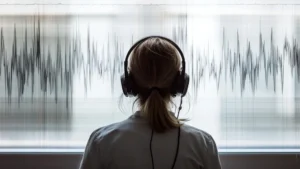

This blog post delves into the intriguing connection between sound waves and heart rhythm, highlighting how sound can influence both heartbeat and breathing patterns. It explores the scientific mechanisms through which sound waves affect our bodily rhythms, emphasizing the profound impact of auditory stimuli on our physiological state. Furthermore, the article discusses practical applications of sound therapy in everyday life, showcasing how individuals can harness the power of sound to promote relaxation and well-being. It also provides actionable steps to enhance heart rhythms using sound, guiding readers on how to incorporate specific sounds and frequencies into their daily routines. Through this exploration of sound heart rhythm, the article aims to inspire readers to consider sound as a therapeutic tool for improved health.
Exploring The Connection Between Sound Waves And Heartbeat

Recent studies have demonstrated a profound link between sound waves and the natural rhythms of our body, particularly the heartbeat and breathing. The way sound influences our physiological states opens new avenues for understanding health and wellness. By harnessing the principles of audio therapy, individuals can actively engage in practices that promote stress reduction and regulate their heart rhythms, thus enhancing overall well-being.
Key Aspects To Consider
- The frequency of sound waves and its impact on heart rate.
- Different genres of music and their physiological effects.
- The role of rhythm in synchronization of heart and breath.
- How audio therapy can be personalized to individual needs.
- The implications of sound therapy in clinical settings.
- Real-life applications that support heart health.
- Future research directions in sound and physiology.
Understanding how sound waves affect heart rhythm is not just an academic endeavor; it carries significant implications for daily life practices. Therapeutic sounds can lead to stress reduction by creating an environment conducive to relaxation and emotional well-being. Additionally, sound waves can influence the autonomic nervous system, inherently affecting how our body processes stress and maintains homeostasis.
“The power of sound lies not only in its ability to evoke emotions but also in its potential to align bodily functions with natural rhythms.”
Incorporating sound into daily routines can enhance emotional balance and promote a healthier heart rhythm. Techniques like meditation, listening to calming musiç or utilizing sound machines can serve as effective methods to leverage sound heart rhythm practices. By employing tailored sound therapy, individuals can take proactive steps towards nurturing their cardiovascular health and improving their overall quality of life.
The Mechanisms Of Sound Waves Influencing Rhythm

Understanding how sound waves affect our physiological processes is vital to acknowledging their roles in various aspects of well-being. Specifically, the interaction between sound and the body’s natural rhythms, such as heartbeat and breathing, demonstrates how external factors can influence internal states. Sound heart rhythm is significantly shaped by sound waves, which can evoke changes in our emotional and physical health through mechanisms such as resonance.
Sound energy affects our bodies in myriad ways, specifically when we consider body resonance. Our cells and organs respond favorably to sound frequencies, which can lead to enhanced coherence in biological rhythms. As sound waves stimulate these frequencies, they promote synchronization of heartbeats, ultimately contributing to improved cardiovascular health. Understanding this phenomenon invites further exploration into how we can leverage sound for specific health benefits.
| Type of Sound | Frequency Range (Hz) | Effect on Body Resonance |
|---|---|---|
| Music | 20 – 20,000 | Stimulates emotional response and relaxation |
| Nature Sounds | Low frequencies (0.5 – 10) | Enhances calmness and decreases stress |
| White Noise | Variable | Promotes better sleep quality |
| Binaural Beats | Alpha, Theta (8 – 14) | Encourages meditation and mental clarity |
In addition to natural sounds, music has profound implications for heart rate variability. The connection between rhythm and our autonomic nervous system means that listening to specific genres or tempos can facilitate changes in our internal rhythms. A relaxed sound heart rhythm correlates with greater vagal tone, which is indicative of better cardiovascular health and enhanced emotional resilience. The dynamics of musiç including tempo, melody, and harmony, can resonate deeply within us, fostering both heart rate normalization and emotional regulation.
Steps To Enhance Your Heart Health Through Sound
- Choose calming music or sounds to promote relaxation.
- Incorporate daily listening sessions, focusing on your breathing.
- Experiment with different genres to find what resonates best.
- Engage in rhythmic breathing exercises accompanied by sound.
- Explore sound therapy sessions with trained practitioners.
- Practice mindfulness while experiencing sound to enhance benefits.
- Maintain consistency for longer-lasting effects on heart health.
By implementing these strategies, individuals can significantly enhance their heart health and establish a stronger connection to their own physiological rhythms through sound. Understanding and utilizing the mechanisms through which sound influences heartbeats ultimately leads to improved overall wellness.
Understanding Body Resonance
Body resonance serves as a foundational element in how sound waves interact with our internal systems. The vibrational qualities of sound not only affect our auditory senses but resonate throughout our bodily tissues. This resonance can facilitate improved blood circulation, reduced anxiety, and a harmonious balance in the body’s natural rhythms. When sound waves emanate through the environment, they can alter the vibrational patterns that underlie sound heart rhythm. In essence, recognizing the significance of sound and its resonating impact on our bodies enhances our understanding of holistic health.
The Role Of Music In Heart Variability
Music plays an integral role in the promotion of heart variability, with studies highlighting its therapeutic benefits. The engaging nature of music allows it to resonate with our emotions, leading to physical changes such as lowered heart rates and increased coherence between heart and breathing patterns. By actively engaging with musiç it’s possible to bolster our emotional states and enhance cardiovascular performance, showcasing the profound impact of sound waves in influencing our heart rhythms and overall health.
Practical Applications Of Sound Therapy In Daily Life
In recent years, sound therapy has gained recognition for its role in influencing bodily functions, including heart rhythms and the breathing cycle. The concept leverages the understanding that different frequencies and vibrations can result in profound changes in our physiological state. Audio therapy serves as a powerful method for stress reduction, enabling individuals to achieve relaxation and balance. Researchers have found that when integrated into daily life, sound therapy can promote healthy heart rhythms by harmonizing our internal systems through rhythmic patterns.
Ways To Incorporate Sound Therapy
- Listen to calming music during meditation sessions.
- Incorporate sound bowls or tuning forks into your wellness routine.
- Practice breathwork while playing soft background sounds.
- Use nature sounds to enhance relaxation during work or study.
- Engage in guided imagery accompanied by soothing soundtracks.
- Schedule regular listening times for binaural beats aimed at stress relief.
- Explore local classes or workshops that focus on sound meditation.
Addressing the importance of consistent practice of sound therapy, people often report significant changes in their heart rhythm and overall well-being. Using sound intentionally can help stabilize emotional fluctuations and promote mindfulness. As individuals engage with various audio experiences, they learn to identify which sounds resonate best with their personal wellness journey, enhancing their ability to manage every day stress reduction.
Integrating sound therapy into daily life is more than just listening to music; it’s about harnessing the power of sound for holistic health.
The journey of employing sound therapy doesn’t have to be complicated. With simple daily habits, anyone can tap into the benefits of a calmer heart and regulated breath. By fully immersing oneself in the experiences that these therapeutic frequencies provide, individuals create a nurturing environment that supports emotional resilience and physical health.
Actionable Steps To Enhance Heart Rhythms With Sound
Integrating sound therapy into your daily routine can significantly influence the sound heart rhythm you experience. Sound waves can promote relaxation, reduce stress, and enhance overall well-being, all of which play a critical role in heart health. By fostering body resonance through carefully chosen sound frequencies, you can encourage a harmonious connection between mind and body, ultimately leading to improved heart rhythms.
Action Steps For Sound Therapy
- Identify your preferred sounds: Explore various sound frequencies, such as nature sounds or calming musiç that resonate with you.
- Practice daily meditation: Incorporate gentle music or sound therapy during meditation to help regulate breathing and heartbeat.
- Utilize binaural beats: Experiment with binaural beats designed to create a cohesive sound heart rhythm.
- Engage in sound baths: Attend sound bath sessions where crystal bowls or gongs are used to align your body resonance.
- Limit exposure to jarring noises: Reduce your contact with loud or stressful sounds that disrupt your heart rhythm.
- Incorporate mindful breathing exercises: Use rhythmic breathing paired with soft sounds to promote a soothing effect on your heart rate.
- Keep a sound diary: Monitor your emotional responses and heart rhythms after engaging with different sounds to find what works best for you.
By following these actionable steps, you can create a powerful routine that enhances your sound heart rhythm. Constant practice and awareness of how various sound frequencies affect your physical and emotional state can lead to a more balanced and resilient heart. The integration of sound therapy into your life not only nurtures your heart but also fosters a deeper connection with your own body’s rhythms.
Frequently Asked Questions
How do sound waves actually influence heart rhythm?
Sound waves can affect heart rhythm by promoting relaxation and reducing stress, leading to a more stable heart rate. The frequency and amplitude of sound waves can resonate with the body’s natural rhythms, helping to synchronize and enhance the heartbeat.
Can specific types of music affect my heartbeat?
Yes, specific types of music can significantly influence heart rate and rhythm. Music with a slower tempo can induce a calming effect, lowering heart rates, whereas fast-paced music may elevate heart rhythms due to increased excitement or energy.
What role does breathing play in connection with sound waves and heart rhythm?
Breathing is closely linked to heart rhythm. When sound waves encourage deeper or more rhythmic breathing, it can lead to improved heart rate variability, a sign of better cardiovascular health, and overall emotional well-being.
What scientific evidence supports the relationship between sound and heart rhythm?
Research in the fields of psychosomatic medicine and sound therapy reveals that sound waves can influence physiological processes, including heart rate, by stimulating the autonomic nervous system and promoting relaxation through low-frequency sounds.
How can sound therapy be used in everyday life to improve heart health?
Sound therapy can be integrated into daily life by listening to specific genres of musiç practicing sound meditation, or utilizing tools such as singing bowls and sound baths that help promote relaxation and enhance heart rhythm.
What are some actionable steps I can take to enhance my heart rhythms with sound?
To enhance heart rhythms, try incorporating calming music or nature sounds into your routine, practice mindful breathing exercises while listening to soothing audio, and consider attending sound healing sessions to experience the benefits firsthand.
Are there any risks associated with using sound therapy for heart rhythm regulation?
While sound therapy is generally considered safe, individuals with certain health conditions should consult a healthcare professional before starting any new therapy. It’s important to ensure that the sound frequencies do not cause any discomfort or negative responses.
Can sound waves help with anxiety, which in turn impacts heart rhythm?
Absolutely, sound waves can effectively reduce anxiety and stress, which are known to disrupt heart rhythm. By creating a peaceful auditory environment, sound therapy can alleviate anxiety symptoms and promote a more stable heartbeat.
What types of sound waves are most effective for heart and breathing regulation?
Binaural beats, delta waves, and low-frequency sounds are often most effective for promoting heart and breathing regulation. These types of sound waves can induce a meditative state and are typically used in sound therapy practices.
How quickly can one expect to see results from using sound therapy?
Results can vary from person to person. Some individuals may experience immediate relaxation and improved heart rhythms after a single session, while others may need to incorporate sound therapy into their routine over weeks or months to notice significant changes.