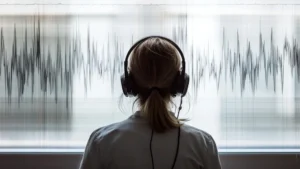

Voice assistants can often misinterpret your words due to various factors. Understanding common reasons voice assistants misinterpret your words, such as background noise, accents, and speech clarity, is crucial to enhancing communication. This blog post delves into specific voice error reasons behind miscommunication, highlighting how these issues can stem from limitations in voice recognition technology. To improve your interaction with voice assistants, the article offers practical tips, such as speaking clearly, reducing background noise, and adjusting settings. Key takeaways emphasize methods to minimize voice recognition issues and optimize user experience. By addressing these voice error reasons, users can better harness the potential of voice technology.
Understanding Common Reasons Voice Assistants Misinterpret Your Words

Voice assistants, while increasingly sophisticated, can sometimes struggle to accurately process human speech. One common reason for this issue lies in speech mismatch, which occurs when the words spoken do not align with the vocabulary the voice assistant recognizes. This can be especially prevalent with specific jargon, accents, or colloquial expressions that are not part of the device’s training data. Additionally, tone variation can significantly impact how voice commands are interpreted, with different emotional tones or speaking speeds throwing off the recognition algorithms.
Key Factors Leading to Misinterpretations
- Variability in dialects and accents
- Background noise interference
- Unclear pronunciation or mumbling
- Use of uncommon vocabulary or phrases
- Rapid speech or excessive pauses
- Inconsistent use of tone
Moreover, technological limitations in the voice assistant’s software can also contribute to misunderstanding. The processing algorithms are not yet perfect, meaning they may struggle to accurately capture the nuances of human speech. This can lead to situations where a straightforward command is misinterpreted, ultimately resulting in unintended responses from the assistant. Understanding these factors is crucial for users, as it enables them to adjust their communication strategies and minimize instances of voice error reason.
Exploring The Specific Voice Error Reason Behind Miscommunication

Voice assistants have become indispensable tools, but they are not infallible. The specific voice error reason behind miscommunication often stems from various factors that can distort the intended message. Recognizing these issues can lead to better interactions with these technologies. It is important to understand how the intricacies of speech can contribute significantly to misunderstandings.
One critical aspect that contributes to the voice error reason is the mismatch between a user’s speech pattern and the voice assistant’s recognition capabilities. When users speak too quickly, use colloquialisms, or employ heavy accents, the software may misinterpret the commands. Moreover, background noise can hinder sound clarity, exacerbating the issue. A clearer understanding of these factors can improve response accuracy and overall satisfaction with voice technology. Factors Influencing Voice Recognition Accuracy
| Factor | Impact Level | Suggested Solution |
|---|---|---|
| Accents | High | Adjust pronunciation |
| Background Noise | Medium | Speak in quiet areas |
| Speech Speed | High | Practice pacing |
| Technical Jargon | Medium | Use simpler language |
Another core element is the tone variation, which can significantly affect how voice assistants interpret commands. Many systems are designed to understand specific tonal patterns but can stumble if the input deviates from these patterns or includes emotional cues that aren’t recognized. The precise modulation of tone when giving commands can drastically alter what the voice assistant understands.
Impact of Speech Mismatch
Speech mismatch occurs when there is a divergence between how the user articulates their request and the expected input patterns of the voice assistant. This misalignment leads to common voice error reasons, such as entirely erroneous responses or the assistant failing to respond altogether. Enhancing the communication bridge through clarity can mitigate these issues.
Understanding Tone Variation
Many users may be surprised to discover that tone plays a crucial role in voice recognition. The emotional color of spoken words can lead to misinterpretations; for example, a playful tone could make a command sound like a question. Therefore, awareness of how tone can shift the meaning of a request is essential in optimizing interactions with voice assistants.
Steps To Reduce Miscommunication
- Specify commands clearly and concisely.
- Avoid slang and jargon that may confuse the system.
- Control the pace of your speech for improved recognition.
- Be mindful of background noise to enhance clarity.
- Adjust your tone based on the context of the command.
- Practice speaking in a consistent accent to reduce discrepancies.
- Test different phrasings for better outcomes.
Practical Tips For Enhancing Interaction With Voice Assistants
Miscommunication with voice assistants can be frustrating, often stemming from various factors that influence voice recognition accuracy. Understanding these influences is crucial because it helps users adjust their communication styles to enhance interaction. Improving the clarity and precision of your speech can notably reduce voice error reasons, allowing for a smoother user experience.
One significant factor affecting voice assistant performance is the environment in which interactions occur. Background noise, poor microphone positioning, and other variables can compromise voice recognition accuracy. To address these issues, users should be mindful of their surroundings and how they engage with their devices. Proper techniques can lead to more reliable and effective responses from voice assistants.
Recommendations To Improve Voice Recognition
- Speak clearly and at a moderate pace.
- Minimize background noise when using voice assistants.
- Ensure the microphone is adequately positioned closer to your mouth.
- Use natural language and avoid overly complex phrases.
- Regularly update your device to its latest software version.
- Train your voice assistant to recognize your unique voice and speech patterns.
- Consider using high-quality microphones for better sound capture.
By applying these recommendations, users can greatly enhance their interactions with voice assistants, resulting in fewer misunderstandings.
Moreover, adopting a proactive approach when interacting with voice assistants can drastically improve their performance. Simple adjustments in how you communicate can mitigate the chances of experiencing voice errors. Consistent practice of the above techniques will lead to long-term benefits in usability and efficiency. Thus, fostering effective communication with voice technology becomes not only achievable but also enjoyable.
Key Takeaways To Minimize Voice Recognition Issues
To effectively tackle voice recognition challenges, understanding the key reasons behind misinterpretations is essential. Many users experience frustration when their voice assistants fail to comprehend commands correctly, largely due to factors such as background noise, unclear enunciation, and the complexity of speech patterns. By identifying and addressing these issues, users can significantly improve their interactions with voice technology.
Actionable Steps To Enhance Performance
- Maintain Clear Enunciation: Speak slowly and clearly to improve recognition accuracy.
- Minimize Background Noise: Ensure you’re in a quiet environment when using voice commands.
- Use Wake Words Properly: Always start with the assistant’s designated wake word for better responsiveness.
- Adjust Device Settings: Fine-tune your voice assistant’s settings for optimal performance.
- Provide Feedback: Help improve the system by reporting misinterpretations when they occur.
- Avoid Complex Commands: Keep commands straightforward and direct.
- Practice Consistency: Use the same phrases or commands repeatedly to build recognition.
Incorporating these strategies can lead to a noticeable decrease in miscommunications with voice assistants. By adhering to these practical steps, users can foster clearer and more effective interactions, enhancing their overall experience with voice technology. Remember, even minor adjustments in your approach can greatly influence how accurately your voice is recognized.
Frequently Asked Questions
What are some common voice error reasons for misinterpretation by voice assistants?
Common reasons include background noise, accents or dialect differences, mispronunciation, and speech pacing, all of which can affect how accurately a voice assistant recognizes commands.
How does background noise impact the accuracy of voice assistants?
Background noise can interfere with the microphone’s ability to isolate your voice, leading to incorrect interpretations as the assistant struggles to distinguish your commands from surrounding sounds.
In what ways do accents influence the performance of voice assistants?
Voice assistants often have difficulty understanding various accents because they are typically trained on a standard or limited set of speech patterns, which can result in frequent misinterpretations.
What should I do if my voice assistant misunderstands my commands frequently?
You can try speaking more clearly, adjusting your distance from the microphone, reducing background noise, and ensuring the voice assistant’s software is updated.
Are there specific strategies to improve interactions with voice assistants?
Yes, strategies include using simple, clear commands, speaking slowly, minimizing distractions, and speaking directly into the device’s microphone.
Can environmental factors affect voice recognition performance?
Absolutely. Factors such as echo, background chatter, and even the type of room you’re in can significantly impact how well a voice assistant understands you.
Is it common for voice assistants to have trouble with technical jargon?
Yes, many voice assistants may not recognize specialized or technical terms, leading to misunderstandings when such language is used.
What can I do to enhance the accuracy of my voice assistant’s responses?
Enhance accuracy by using voice training features if available, ensuring a good internet connection, and reducing any competing noise sources.
How can software updates improve voice assistant performance?
Software updates can enhance algorithms, improve speech recognition capabilities, and expand the vocabulary of voice assistants, thus reducing misinterpretations.
What are the key takeaways for minimizing voice recognition issues?
Key takeaways include speaking clearly, reducing noise, being aware of device placement, and using the most relevant language for commands.