
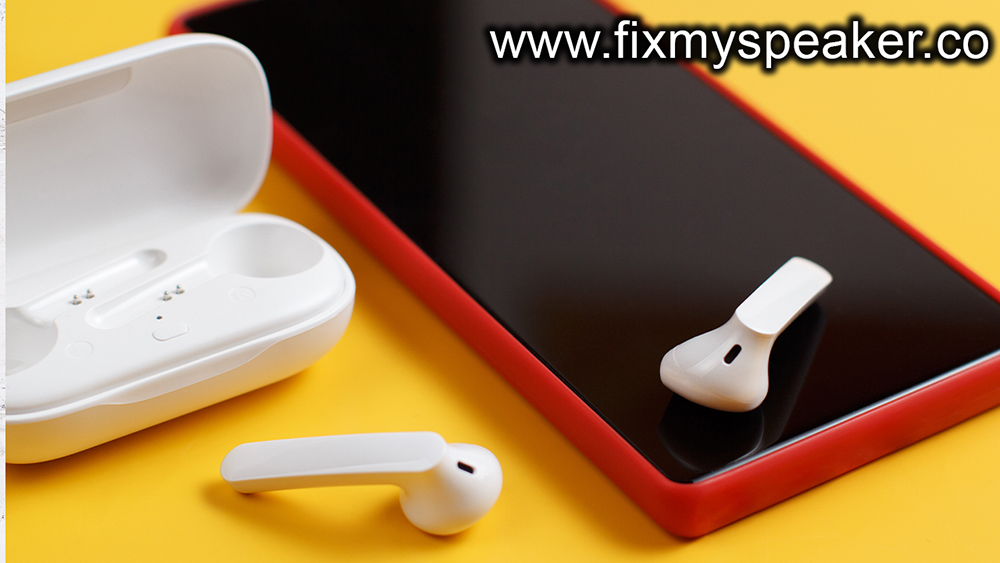
In the ongoing debate of wireless vs wired audio, sound quality is a crucial factor for many audiophiles. This blog post explores the fundamental differences between wireless and wired earphones, highlighting their respective pros and cons. Wireless earphones offer convenience and portability, while wired options generally provide superior audio fidelity due to direct connection. Additionally, the article examines various performance factors that affect audio quality in earphones, such as codec support and environmental interference. By considering all these aspects, readers are guided towards making informed decisions tailored to their listening preferences. Ultimately, whether you prioritize sound quality or mobility will influence your choice between wireless and wired earphones.
Understanding The Debate: Wireless Vs Wired Audio Quality Differences

When it comes to the ongoing discussion of wired vs wireless audio, one of the primary concerns for consumers is the earphone sound quality. Many audio enthusiasts argue that wired earphones typically provide a superior audio performance due to the direct connection, which minimizes loss and interference common in wireless setups. In contrast, advancements in wireless technology, such as Bluetooth codecs and aptX HD, have begun to bridge this gap, offering listeners a viable alternative with much improved sound fidelity.
Key Points To Consider
- Wired earphones can deliver uninterrupted audio, free from latency.
- Wireless models are becoming increasingly capable of high-definition audio performance.
- Bluetooth technology continually improves, enhancing sound quality.
- Wired earphones often involve lower upfront costs.
- Wireless options offer unparalleled convenience and mobility.
- Consider battery life and charging limitations with wireless devices.
- Audio source quality can significantly affect the overall listening experience.
The debate between wireless and wired audio quality often brings forward technical aspects such as frequency response and dynamic range. Wired connections are generally considered superior in delivering a wider frequency range and better overall dynamic range, allowing for a more immersive listening experience. However, many users find that the convenience of wireless options outweighs the minimal difference in audio performance, particularly for casual listening contexts.
Ultimately, the choice between wired and wireless audio setups will depend on individual preferences and listening habits. If absolute audio fidelity is your priority, wired earphones might be the ideal choice. Conversely, for those who prioritize convenience and versatility, modern wireless earphones provide an excellent combination of sound quality and ease of use. As technology continues to evolve, keeping an eye on new advancements in both categories will help inform your decision for the best audio setup.
Comparative Analysis: Pros And Cons Of Wireless And Wired Earphones

The debate between wireless and wired earphones has gained significant traction in recent years, especially with the increasing demand for convenience alongside sound quality. Each type brings forth a set of pros and cons that cater to different user preferences and lifestyles. Understanding the strengths and weaknesses can lead to a more informed decision when selecting audio devices. Let’s delve into the unique advantages of wireless and wired earphones.
Wireless Earphones Pros
Wireless earphones have transformed the way we interact with audio. One of the most significant pros is the freedom of movement they provide. Users can enjoy music or take calls without being tethered to a device, making them ideal for active lifestyles. Additionally, many wireless options come equipped with advanced features such as touch controls, voice assistants, and noise cancellation. However, they may come with a few drawbacks like battery life limitations and potential audio latency issues. Below is a comparative table highlighting key aspects of both types.
| Feature | Wireless Earphones | Wired Earphones |
|---|---|---|
| Freedom of Movement | Yes | No |
| Sound Quality | Variable | Generally Better |
| Battery Life | Limited | No Battery |
| Cost | Often Higher | Generally Lower |
Wired Earphones Pros
On the other hand, wired earphones are renowned for their reliability in terms of sound quality. They generally deliver a clearer audio experience due to a direct connection to the audio source, eliminating any concerns about compression or latency. Additionally, they do not require battery power, making them a hassle-free option for long listening sessions. Despite their limitations in mobility, many audiophiles prefer wired earphones for critical listening due to their superior earphone sound performance.
Steps To Evaluate Earphones
- Assess your primary usage (casual listening, sports, professional use).
- Consider sound quality and brand reputation.
- Evaluate battery life for wireless options.
- Check for comfort and fit during extended use.
- Compare pricing against your budget.
- Look for additional features like noise cancellation or waterproofing.
- Read user reviews and ratings for real-world insights.
This structured analysis helps to clarify the pros and cons associated with both wireless and wired earphones. Ultimately, selecting a pair that aligns with your audio quality expectations and lifestyle preferences is essential for an optimal listening experience.
Assessing Performance: Factors Affecting Audio Quality In Earphones
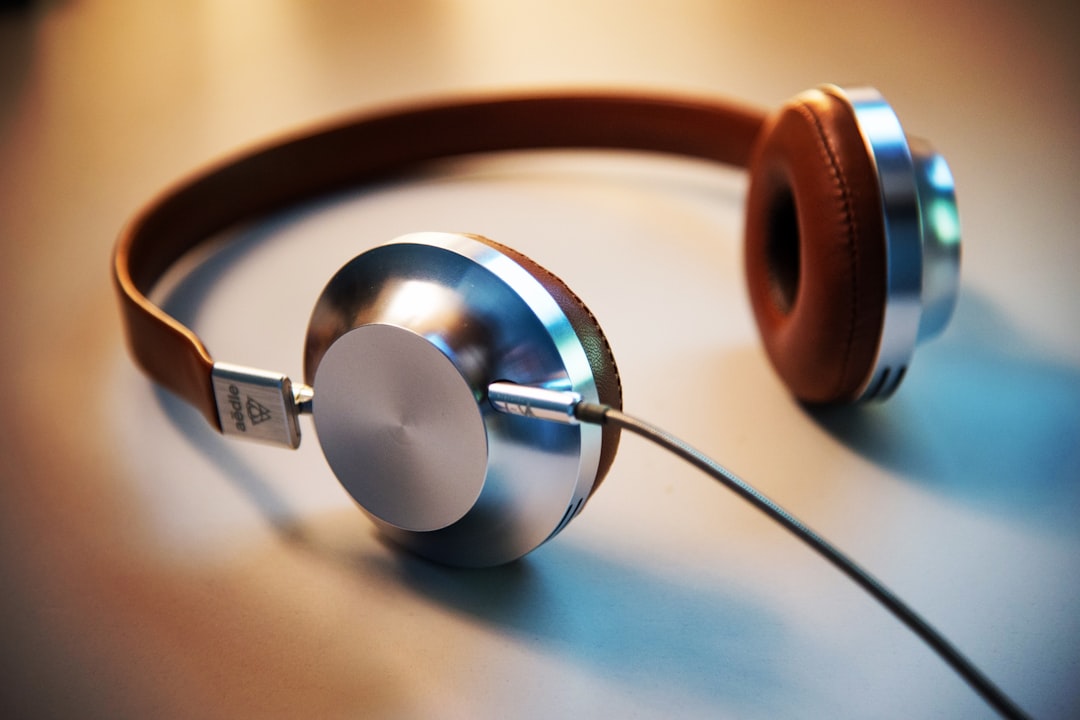
The ongoing debate between wired and wireless audio has led many consumers to weigh their options carefully. Understanding the factors that influence audio performance can help in making an informed decision. While both methods have their unique advantages, sound quality typically hinges on several key elements such as connectivity, audio codecs, and the specifications of each device. Thus, analyzing these pros and cons is essential for maximizing your listening experience.
| Factor | Wired Earphones | Wireless Earphones |
|---|---|---|
| Connectivity | Direct connection, less latency | Bluetooth connection, potential delays |
| Audio Codecs | No dependency on codecs | Depends on Bluetooth codec support |
| Battery Life | Powered by device | Limited by battery capacity |
| Portability | Less portable, tangled wires | Highly portable, no wires |
The comparison of technical specifications reveals critical insights. Wired earphones generally boast superior audio fidelity due to the lack of compression commonly associated with Bluetooth audio transmission. This can make a significant difference for audiophiles who prioritize sound quality above all else. However, wireless earphones have evolved to support higher quality audio codecs, mitigating some of their inherent latency issues, and making them a viable option for many users.
Key Factors Influencing Sound
- Type of Drivers Used
- Impedance Levels
- Frequency Response Range
- Material Quality of Ear Cups
- Bluetooth Version for Wireless
- Environmental Interference
Finally, it’s important to recognize how individual preferences and listening environments can further affect your audio performance. Whether you prioritize the convenience of wireless earphones or the uncompromised sound quality of wired options, your choice should align with your lifestyle and specific audio needs. As technology continues to advance, the divide between wireless and wired audio quality is becoming less pronounced, making it vital to evaluate these factors in the context of their listening applications.
Comparison Of Technical Specifications
When delving into the specifications of wired versus wireless earphones, several aspects come to the forefront. Wired earphones typically provide a consistent audio signal, resulting in clearer sound and better bass response. On the other hand, advancements in wireless technology, including improved codecs such as aptX and LDAÇ are closing the gap in audio performance. It’s essential to consider how these technical specifications can match your audio needs, as both options have their redeeming features in the realm of audio quality.
Making The Right Choice: Final Recommendations For Earphone Selection
When deciding between wireless vs wired audio, it is crucial to consider how each option affects the earphone sound quality and your personal listening experience. While wireless earphones offer convenience, flexibility, and often come with advanced features like noise cancellation, wired earphones typically provide superior sound quality. They eliminate latency issues associated with Bluetooth and often deliver a cleaner sound, making them a preferred choice for audiophiles. Ultimately, the right choice depends on your specific needs and how you intend to use the earphones.
Tips For Choosing The Best Earphones
- Assess Your Listening Habits: Consider where and how you plan to use the earphones most frequently.
- Test for Comfort: Ensure that the earphones fit well and are comfortable for extended use.
- Sound Quality Matters: Compare the audio clarity, bass response, and overall sound profile of different models.
- Durability: Look for well-constructed earphones that can withstand daily wear and tear.
- Battery Life (for Wireless): If opting for wireless, check how long the earphones can last on a single charge.
- Brand Reputation: Research brands known for quality sound performance and reliability.
- Price vs Performance: Balance your budget while ensuring you get good value for your investment.
In considering these factors, it’s essential to weigh the pros and cons you’ve learned about both wireless and wired earphones. Remember, choosing the right earphones isn’t just about sound; it also involves assessing the convenience, your lifestyle, and how much importance you place on various features. By taking the time to understand your priorities, you can confidently select earphones that will elevate your audio experience to the next level.
Frequently Asked Questions
What are the main differences in sound quality between wireless and wired earphones?
Wired earphones generally provide higher sound quality due to a direct connection, which reduces latency and signal loss. Wireless earphones, while improving, may experience some audio compression, which can affect sound fidelity.
Do wireless earphones really lag behind wired ones in terms of audio performance?
While wireless earphones have come a long way with advancements like aptX and AAC codecs, wired earphones typically still have the edge in audio performance because they deliver uncompressed sound without the need for a Bluetooth connection.
What are the advantages of using wired earphones?
Wired earphones usually offer better sound quality, no battery requirements, and no latency issues, making them a preferred choice for audiophiles and serious musicians.
What are the benefits of choosing wireless earphones?
Wireless earphones provide convenience, portability, and freedom of movement without tangled wires. They are often equipped with modern features like touch controls, voice assistants, and noise cancellation.
How does the audio source impact the sound quality of both types of earphones?
The quality of the audio source, whether a smartphone, computer, or audio player, significantly affects sound quality. Higher resolution files will sound better on both wired and wireless devices, but wired connections can reveal more detail when using high-fidelity equipment.
Are there specific environments where one type might perform better than the other?
In noisy environments, wireless earphones with active noise cancellation may provide a better listening experience compared to wired ones, which can pick up more ambient noise unless designed for isolation.
What factors should I consider when selecting earphones for sound quality?
Factors include sound profile preference (bass-heavy vs. balanced sound), impedance, sensitivity ratings, comfort, and the quality of the drivers, as well as whether you prioritize the convenience of wireless technology or the fidelity of wired connections.
What type of earphones do musicians or audio professionals typically prefer?
Musicians and audio professionals generally prefer wired earphones for their superior sound quality, reliability, and lack of latency, which is crucial during recording and live performances.
Are there any upgrades in technology that have improved wireless audio quality?
Yes, advancements such as high-resolution Bluetooth codecs (like LDAC and aptX HD), improved battery technology, and better audio processing chips have significantly elevated the sound quality of wireless earphones, bringing them closer to wired performance.
How do I make the right choice between wired and wireless earphones?
Consider your lifestyle, listening habits, and audio quality preferences. If sound fidelity is your primary concern and you don’t mind the hassle of wires, go for wired. If convenience and mobility are top priorities, wireless earphones are an excellent choice, especially with quality options available today.