
The evolution of mobile speakers has seen significant advancements from their initial mono sound systems to today’s sophisticated stereo configurations. This blog post explores the key phases in mobile speaker evolution, highlighting how technological improvements have enhanced audio quality and user experience. It delves into the transition from mono to stereo, marked by an increase in demand for immersive soundscapes. Additionally, the article outlines essential features that define modern mobile speakers, such as portability, battery life, and connectivity options. Lastly, it discusses the future of mobile audio innovations, suggesting potential trends and developments that could shape the next generation of mobile speakers. This comprehensive overview not only showcases the journey of mobile speakers but also emphasizes their growing importance in our audio experiences.
Understanding The Evolution Of Mobile Speakers

The journey of mobile speakers is a fascinating tale intertwined with the broader audio history and advances in sound design. Early mobile speakers predominantly delivered mono sound, focusing solely on delivering audio output without much emphasis on quality or experience. Over the years, the rapid development of technology has transformed these devices into sophisticated systems capable of producing rich, immersive sound that enhances our listening experience. This evolution has been driven by both consumer demand for better sound quality and advancements in technology.
Key Stages In Mobile Speaker Development
- Introduction of mono sound speakers
- Advent of portable cassette players
- First dual speaker configurations
- Transition to Bluetooth technology
- Development of stereo sound systems
- Introduction of smart speakers with voice assistance
- Integration of high-fidelity sound formats
As we observe the milestones in mobile speaker evolution, it is evident that each stage has contributed significantly to the functionality and appeal of these devices. The shift from mono to stereo sound systems marked a critical turning point, enhancing audio realism and providing a multi-dimensional listening experience. This progression paved the way for the incorporation of cutting-edge technologies such as Bluetooth, which not only improved accessibility but also allowed seamless connectivity with a range of devices, reflecting the increasing significance of portability in today’s fast-paced lifestyle.
The future of mobile speakers looks promising as manufacturers continue to innovate and refine their sound design. Enhanced features such as noise cancellation, spatial audio effects, and the integration of artificial intelligence are on the horizon. These advancements will not only improve sound quality but also adapt to the diverse listening environments and preferences of users. The mobile speaker evolution is an ongoing narrative, and as technology continues to advance, we can anticipate even more remarkable developments in the world of portable audio devices.
The Transition From Mono To Stereo Sound Systems
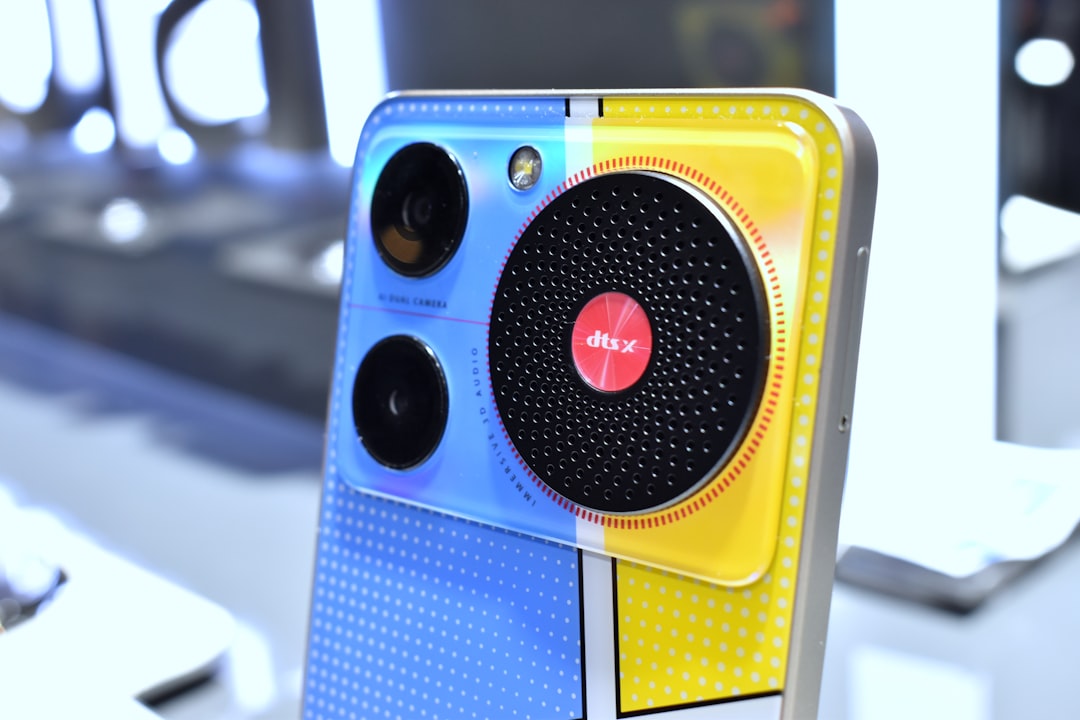
The evolution of mobile speakers has taken significant strides from their humble beginnings in the mono sound era. Early mobile speaker designs focused primarily on delivering basic audio output, which often resulted in a flat listening experience. With the advent of stereo sound systems, however, a transformative shift occurred, allowing users to immerse themselves in a multidimensional audio experience. This transition not only enhanced sound quality but also changed the way users interacted with their devices, especially in modern smartphones.
One of the key benefits of stereo sound systems is their ability to create a more realistic audio environment. Stereo sound offers spatial effects that mono systems simply cannot deliver. By utilizing separate channels for left and right audio signals, listeners can perceive directionality in sound, thus enhancing overall enjoyment. This advancement aligns with the growing demand for high-fidelity audio in both music and multimedia content consumed on smartphones. Comparison of Mono and Stereo Sounds
| Feature | Mono Sound | Stereo Sound |
|---|---|---|
| Sound Quality | Flat and basic | Rich and detailed |
| Channel Usage | Single channel | Two channels |
| Listening Experience | Less immersive | Immersive experience |
| Common Applications | Old radios, basic devices | Modern smartphones, home theaters |
As mobile speaker evolution progressed, manufacturers began to incorporate various technical advancements that further enhanced stereo sound capabilities. Features such as Bluetooth connectivity, equalizers, and enhanced battery life have become paramount in modern smartphones. These developments not only cater to the audio quality but also ensure that users can enjoy their favorite media without interruption, regardless of their environment.
Importance Of Stereo Sound
The significance of stereo sound cannot be overstated in the context of mobile speaker evolution. Stereo sound systems provide an unparalleled auditory experience that has become essential for enjoying musiç podcasts, and videos in today’s fast-paced world. With the continued integration of stereo speakers in smartphones, users are offered an enhanced way to experience media, fostering greater emotional connections with their content.
Steps To Enhance Audio Experience
- Invest in high-quality headphones that support stereo sound.
- Utilize equalizer settings on your smartphone for personalized audio adjustments.
- Choose audio files with optimal bitrate for better sound quality.
- Experiment with different sound apps that enhance stereo effects.
- Maintain a reasonable distance from sound sources for optimal sound staging.
- Regularly clean your device’s audio ports to avoid sound distortion.
- Keep your software updated for improved audio performance.
As consumers become increasingly aware of audio quality, the transition from mono to stereo sound is a direct response to the demand for immersive and engaging audio experiences. The integration of stereo sound has irrevocably altered how users perceive and interact with their mobile devices, setting high standards for future innovations in the audio technology space.
Key Features That Define Today’s Mobile Speakers
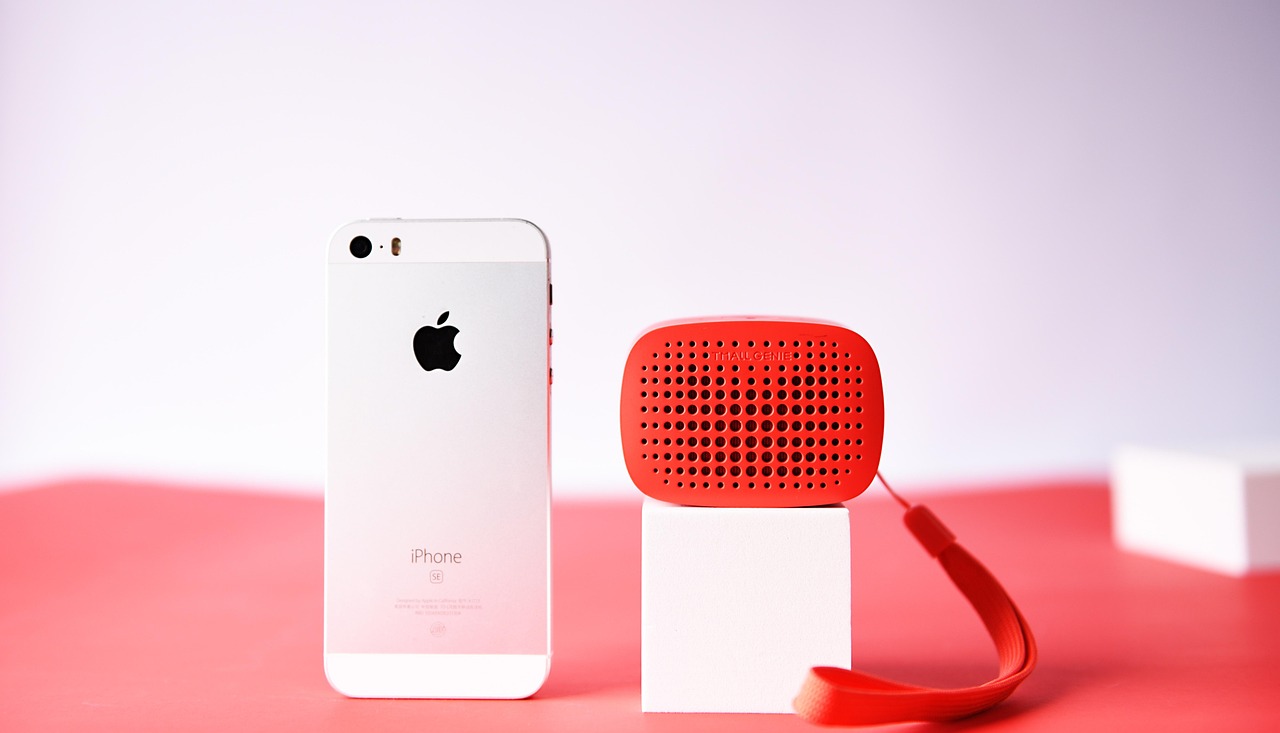
Modern smartphones have revolutionized the way we consume audio, prompting a noticeable shift in mobile speaker design. This evolution has led to the integration of advanced sound design principles, enhancing the overall audio experience. Today’s mobile speakers are compact yet powerful, often delivering immersive sound that rivals traditional audio solutions. With the advent of wireless technology and smart integration, users now expect high-quality audio on-the-go, which has pushed manufacturers to innovate constantly.
Benefits Of Advanced Sound Design
- Improved sound clarity and detail
- Enhanced bass response for richer audio
- Greater volume without distortion
- 360-degree sound distribution for an immersive experience
- Optimized battery life for extended usage
- Compatibility with various audio formats and devices
- Streamlined user interfaces for ease of use
This focus on mobile speaker evolution not only elevates audio quality but also ensures that users enjoy functionalities such as voice control and smart assistant integration. The integration of modern technologies allows mobile speakers to connect seamlessly with other devices, creating a unified ecosystem for audio consumption. As we look toward the future, the need for innovative sound solutions in mobile devices will continue to shape the next generation of audio experiences.
Next Steps For Future Mobile Audio Innovations
As we look ahead in the mobile speaker evolution, it’s essential to acknowledge the advancements that have shaped today’s sound experience. The audio history of mobile devices reveals a trend towards increased portability and enhanced sound quality. Innovations such as wireless connectivity, superior battery life, and advanced audio processing algorithms have transformed consumer expectations. In this ever-changing landscape, the focus shifts towards the integration of artificial intelligence and smart technology, paving the way for a more personalized audio experience.
Actionable Takeaways For Consumers
- Prioritize sound quality: Look for speakers that offer high-fidelity audio.
- Consider portability: Choose lightweight, compact options for ease of transport.
- Explore wireless capabilities: Seek Bluetooth or Wi-Fi-enabled devices for versatile connectivity.
- Assess battery life: Opt for models with longer playback times to enhance usability.
- Stay updated on features: Keep an eye out for speakers with voice assistant integration.
- Evaluate durability: Ensure that your mobile speaker can withstand wear and tear.
- Check for sustainability: Look for brands that focus on eco-friendly production methods.
As consumers adopt these actionable takeaways, manufacturers will respond by pushing the envelope further in the quest for exceptional audio performance. The trajectory of the mobile speaker evolution promises exciting advancements in features such as spatial audio and immersive sound experiences. Furthermore, collaboration among tech developers will likely lead to the emergence of unique products that will redefine how we perceive sound in our daily lives.
Ultimately, the future of mobile audio innovations will depend on consumer feedback and market demand. By understanding the significant shifts that have occurred, we can better anticipate the next wave of technological enhancements. As we embrace these changes, we not only enhance our listening experiences but also play a crucial role in shaping the direction of audio history in the context of mobile sound. Embracing these innovations will empower consumers to make informed choices, resulting in a richer and more satisfying audio journey.
Frequently Asked Questions
What sparked the initial demand for mobile speakers?
The initial demand for mobile speakers was driven by the growing need for portable music solutions, particularly among consumers seeking to enjoy music on-the-go without sacrificing sound quality.
How did the transition from mono to stereo sound systems change user experience?
The transition from mono to stereo sound systems significantly enhanced the listening experience by providing richer, more immersive sound, allowing users to appreciate nuances and depth in their music.
What were some of the earliest models of mobile speakers?
Some of the earliest models of mobile speakers included compact, battery-operated units that prioritized portability over sound quality, often featuring basiç limited functionalities.
What role did advancements in technology play in the evolution of mobile speakers?
Advancements in technology, such as improvements in battery life, wireless connectivity, and audio driver design, have played a crucial role in the evolution of mobile speakers, enabling them to deliver better sound and versatility.
What are the key features that define today’s mobile speakers?
Today’s mobile speakers typically feature Bluetooth connectivity, waterproof designs, extended battery life, and high-quality audio performance, which make them suitable for various environments and uses.
How has the rise of streaming services affected mobile speaker design?
The rise of streaming services has influenced mobile speaker design by emphasizing the need for seamless connectivity options, improved processing capabilities, and integrated voice assistants for a smart listening experience.
Are there any specific brands that are leading the mobile speaker evolution?
Brands such as Bose, JBL, and Sonos are among those leading the mobile speaker evolution, consistently innovating with new designs, technologies, and features that enhance the user experience.
What future trends can we expect in mobile speaker technology?
Future trends in mobile speaker technology may include the integration of artificial intelligence, enhanced spatial audio capabilities, and even more compact designs that do not compromise on sound quality.
How does the quality of sound differ between mono and stereo mobile speakers?
The quality of sound in stereo mobile speakers is typically superior to mono speakers, as stereo systems can produce a wider soundstage and better separation of audio elements, providing a more immersive listening experience.
What considerations should consumers keep in mind when choosing a mobile speaker?
Consumers should consider factors such as sound quality, battery life, portability, connectivity options, and waterproofing when choosing a mobile speaker to ensure it meets their specific needs and lifestyle.