
The article How 5G Is Transforming the Way We Use Our Phones explores the revolutionary impact of 5G technology on communication. It highlights the dawn of 5G, emphasizing its enhanced speed and reliability, which significantly improves user experiences. The piece delves into the benefits of low latency in 5G technology, allowing for instantaneous connectivity that transforms activities like gaming and video calls. Additionally, it discusses how 5G enables a global connection, paving the way for advancements in IoT and smart cities. Finally, the blogpost offers actionable insights for consumers and businesses to embrace 5G technology today, ensuring they stay ahead in the rapidly evolving digital landscape. Overall, the article underscores how 5G technology is not just a new standard but a catalyst for a more connected and efficient future.
The Dawn Of 5G Technology: Revolutionizing Communication
5G technology is not just an upgrade; it is a transformational leap in how we communicate and interact with our devices. With faster networks becoming the norm, the capabilities of our mobile devices are expanding beyond what was previously imaginable. This new generation of wireless communication enables users to experience incredibly high speeds and reduced latency, thereby enhancing everything from video streaming to real-time gaming and even virtual reality applications. As more people adopt 5G, it is essential to recognize how this connectivity will change the way we use our phones and other smart devices.
Key Highlights of 5G Technology
- Enhanced data speeds, allowing for quicker downloads and uploads.
- Lower latency resulting in real-time responses, benefiting live interactions and gaming.
- Increased network capacity, enabling more devices to connect simultaneously.
- Improved reliability, assuring consistent performance across various applications.
- Support for new innovations like IoT, AR, and AI-driven services.
- Greater energy efficiency, promoting longer battery life for devices.
- Foundation for future advancements in telecommunications.
As we embrace these changes, the potential for a true global connection becomes ever clearer. The integration of 5G technology will not only enhance our current communication tools but will also pave the way for new services and applications that can be introduced to meet evolving user needs. The interoperability implications of 5G will facilitate greater collaboration among individuals and businesses worldwide, uniting us in ways previously limited by slower networks.
Exploring The Benefits Of Low Latency In 5G Technology
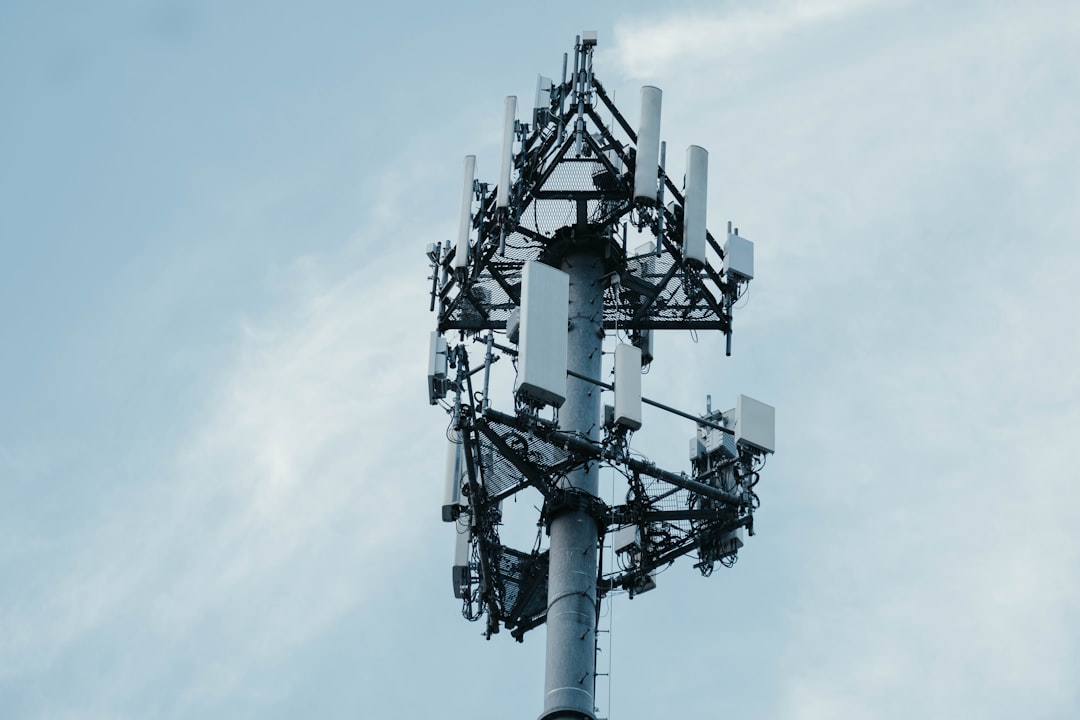
The introduction of 5G technology has marked a monumental shift in mobile connectivity, particularly highlighted by the capability of low latency. Low latency refers to the minimal delay before data transfer begins following an instruction for its transfer. This rapid response time is crucial in enabling a multitude of applications that center around real-time interactivity and efficiency, revolutionizing how devices communicate and perform tasks.
With low latency, users can expect improved performance from applications that require instant feedback. Activities such as gaming, augmented reality, and remote surgeries benefit immensely from reduced lag. Such enhancements not only lead to a superior user experience but also foster innovation by opening doors to new applications that were not viable in previous network generations. This means that as faster networks are being developed, the potential for growth is virtually limitless. Impacts of Low Latency in 5G Technology
| Impact Area | Benefit | Example Usage |
|---|---|---|
| Gaming | Instantaneous gameplay | Cloud gaming with no lag |
| Healthcare | Timely interventions | Remote surgery operations |
| Smart Cities | Improved efficiency | Traffic management systems |
| Autonomous Vehicles | Safety and reliability | Real-time decision-making |
Key Features Of Low Latency
The essential features that make low latency an asset include high bandwidth, enhanced network capacity, and advanced edge computing capabilities. These attributes work in tandem to ensure that information is processed and delivered at unprecedented speeds. For instance, in scenarios where timing is paramount, such as in autonomous driving, even a millisecond can make a difference in terms of performance and safety. By leveraging the full potential of 5G technology, users gain access to functionalities that were once thought impossible.
Real-World Applications of Low Latency
The implications of low latency extend into numerous real-world applications. From the medical field where doctors can perform surgeries from remote locations using robotic technology to the gaming industry offering immersive experiences without frustrating delays, the impact is significant. Furthermore, smart homes and Internet of Things applications see enhanced interactions between devices, contributing to energy efficiency and convenience for users. The rapid communication enabled by 5G networks fosters an era of unparalleled connectivity that benefits everyone.
Steps To Understand Low Latency
- Define low latency and its significance in 5G technology.
- Explore how low latency improves user experiences across various applications.
- Examine the main features that contribute to low latency in networks.
- Investigate real-world use cases and their implications of low latency.
- Assess the potential future developments shaped by low latency innovations.
- Consider the challenges faced in the implementation of 5G networks with low latency.
- Stay updated on advancements and breakthroughs in the realm of low latency technologies.
How 5G Technology Facilitates A Global Connection

The advent of 5G technology marks a significant shift in the way devices connect to the internet, fundamentally enhancing our ability to communicate on a global scale. With its unparalleled speed and increased bandwidth, 5G provides a robust infrastructure that supports a network of smart devices and applications, leading to a seamless global connection. As consumers and businesses alike leverage this technology, the implications extend far beyond personal use, transforming industries and daily operations worldwide.
Global Connection Benefits
- Faster Data Transfer: Experience lightning-fast download and upload speeds.
- Enhanced Connectivity: Connect more devices simultaneously without sacrificing performance.
- Low Latency: Reduced lag time enhances real-time communication, vital for applications like gaming and virtual meetings.
- Improved Network Reliability: More stable connections lead to fewer interruptions and better service quality.
- Support for IoT: Enables the widespread use of Internet of Things (IoT) devices, allowing for smarter homes and cities.
- Innovative Applications: Opens doors to advanced applications including augmented reality (AR) and virtual reality (VR).
- Economic Growth: Spurs investment and innovations across various sectors, fostering job creation.
As we explore the impact of 5G technology, it’s essential to note its role in shaping a global connection. From enhanced mobile experiences to improved remote work capabilities, 5G is facilitating a more interconnected world. This technology is not only enhancing the quality of our communications but is also paving the way for new business models and solutions that are more efficient and responsive to customer needs.
Impact Of 5G On Various Industries
The implications of 5G technology are profound across several sectors, each benefiting from faster, more reliable connectivity. Industries such as healthcare, agriculture, and manufacturing are harnessing 5G capabilities to innovate and improve their operations. For instance, telemedicine and remote monitoring tools are now more effective due to low latency, saving time and improving patient outcomes. As 5G continues to expand, its potential to enhance productivity and efficiency will reshape how we conduct business globally.
Actionable Insights: Embracing 5G Technology Today
The adoption of 5G technology is changing the landscape of mobile communication as we know it. With the introduction of faster networks, consumers can experience unparalleled speeds and near-instantaneous connectivity, paving the way for innovative applications and services across industries. As businesses and individuals begin to leverage the potential of 5G, it becomes increasingly vital to understand the practical steps necessary to implement this technology efficiently. The transition to 5G is not merely a technical upgrade; it represents a shift in how we engage with our devices and the world around us.
Next Steps To Implement 5G
- Evaluate your current infrastructure and identify necessary upgrades.
- Invest in 5G-compatible devices for enhanced performance.
- Choose the right service provider that offers reliable 5G coverage.
- Adopt cloud solutions that can leverage 5G’s low latency.
- Train employees on utilizing new technologies that come with 5G.
- Monitor 5G trends and best practices to stay ahead.
- Gather user feedback to refine and improve services.
Implementing 5G technology can significantly enhance user experiences and streamline operations. By focusing on key aspects such as infrastructure and training, businesses can ensure they are fully prepared to embrace this evolution in mobile connectivity. Moreover, the ability to harness faster networks opens up substantial opportunities for innovation, allowing for the creation of advanced services and applications tailored to meet modern demands. Adopting these practices today will place individuals and organizations at the forefront of this technological advancement.
Frequently Asked Questions
What is 5G technology and how does it differ from previous generations?
5G technology is the fifth generation of mobile network technology that offers faster internet speeds, increased capacity, and lower latency compared to previous generations like 4G. This allows for more devices to connect simultaneously and enhances the overall user experience.
What are the primary benefits of adopting 5G technology for smartphone users?
Smartphone users can expect significantly faster download and upload speeds, reduced lag in real-time applications, improved streaming quality, and the ability to connect more devices without compromising performance.
How does low latency in 5G technology improve user experience?
Low latency in 5G technology reduces the delay between sending and receiving data, which is crucial for applications like gaming, video conferencing, and augmented reality. This leads to smoother interactions and a more seamless user experience.
In what ways does 5G technology facilitate global connectivity?
5G technology allows for faster and more reliable connectivity across the globe, making it easier for people to communicate and share information regardless of geographical barriers. This enhances international business operations, remote work, and social interactions.
What challenges may arise with the rollout of 5G technology?
Challenges include the high costs of infrastructure development, ensuring security and privacy, and the need for compatible devices. Additionally, not all regions have equal access to 5G services, leading to potential disparities.
How can businesses benefit from implementing 5G technology?
Businesses can take advantage of 5G technology for improved communication, enhanced customer experiences, and the deployment of innovative applications such as IoT solutions, which require fast and reliable connections to function effectively.
Will 5G technology affect battery life on smartphones?
While 5G technology can be power-intensive, advancements are being made to optimize battery performance. Users may notice some battery drain, but improvements in hardware and software are continuously being developed to minimize this impact.
How should users prepare for the transition to 5G technology?
Users should consider upgrading to 5G-compatible devices, ensuring they have access to 5G networks in their area, and exploring 5G-friendly apps and services to fully maximize the potential of this technology.
Are there concerns regarding the health effects of 5G technology?
Current scientific studies and regulatory bodies have found no conclusive evidence of health risks associated with 5G technology. However, discussions about safety continue, and ongoing research is essential to monitor its long-term effects.
How is 5G technology influencing the development of smart cities?
5G technology drives the development of smart cities by enabling real-time data collection and analysis, supporting IoT devices for infrastructure management, and enhancing connectivity for public services, ultimately improving urban living standards.