

In the digital age, smartphone privacy is paramount. This blog post highlights 10 essential privacy settings that every smartphone user should be aware of to enhance their device’s security. The article is structured into four key sections: first, it outlines crucial privacy settings that every user should enable; second, it discusses advanced options to further maximize smartphone privacy; third, it provides a comparative analysis of privacy features across popular smartphones, helping users make informed decisions; and finally, it encourages readers to take actionable steps to prioritize their smartphone privacy today. By following these guidelines, users can significantly protect their personal information and maintain control over their digital footprint.
Essential Privacy Settings For Enhanced Smartphone Security

In today’s digital age, ensuring smartphone privacy has become a top priority for users. With the increasing amount of personal data stored on our devices, it’s imperative to take the necessary steps for robust data protection. Numerous features and settings are built into our smartphones to help us secure our sensitive information. However, many users remain unaware of these options, which can significantly enhance their privacy and security.
Key Privacy Settings to Consider
- Disable location tracking when not in use
- Limit app permissions to essential functions only
- Regularly review privacy policies of installed applications
- Utilize two-factor authentication (2FA) for added security
- Regularly update your device’s software
- Encrypt personal data using device settings
- Use a secure lock screen for access control
By actively managing these privacy settings, users can significantly lower their risk of data breaches and unauthorized access. Remember, the responsibility of maintaining smartphone privacy lies with the user, and being proactive about these settings is the first line of defense against potential threats.
How To Maximize Your Smartphone Privacy Through Advanced Settings
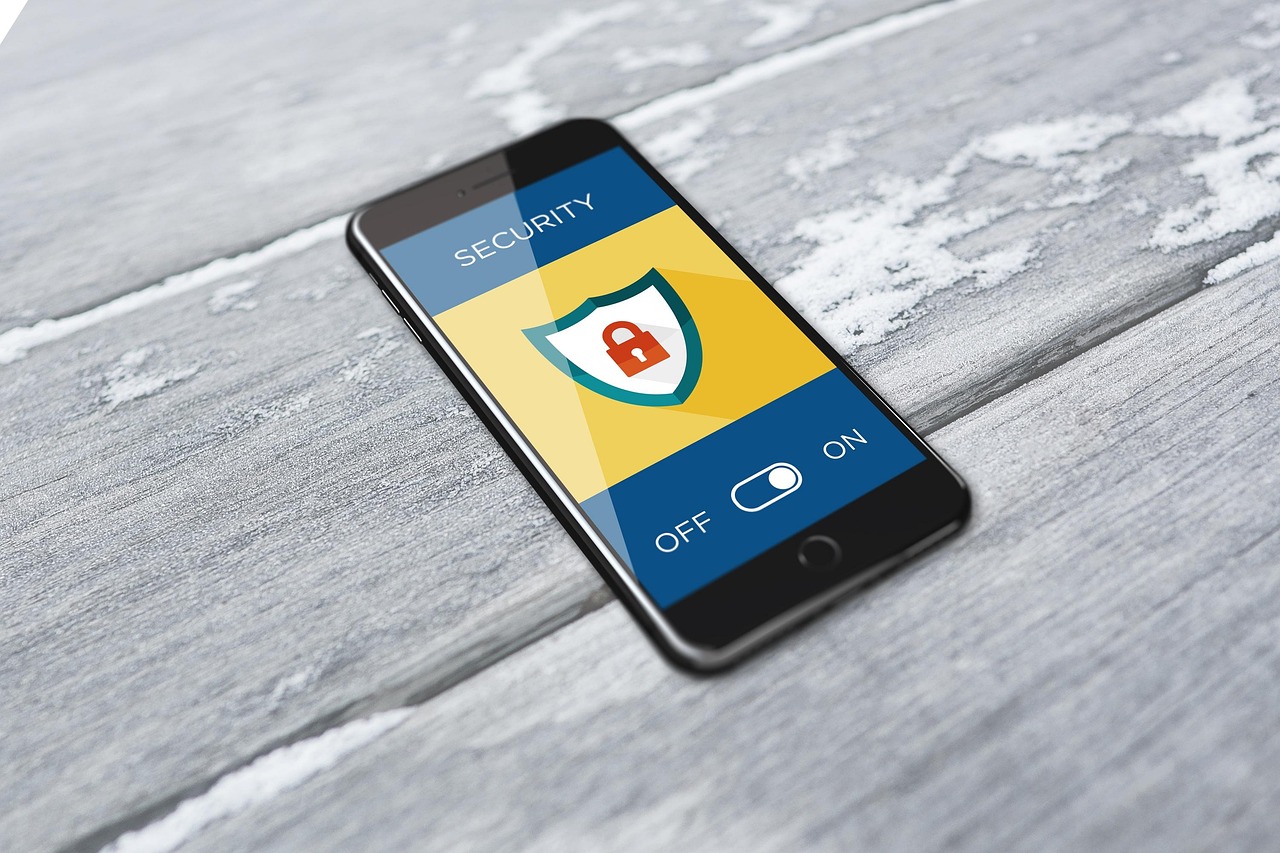
Maximizing your smartphone privacy involves digging into various settings that many users overlook. This means taking control not only of your personal data but also of the way your device interacts with apps and networks. While most smartphones come with a set of default privacy settings, they often require further customization for optimal phone security. Below are key strategies to help you enhance your privacy settings.
Steps To Maximize Privacy
- Review App Permissions Regularly
- Enable Two-Factor Authentication for important apps
- Utilize Built-in Security Features like Find My Device
- Turn off Location Services when not in use
- Use a VPN for secure browsing
- Encrypt Your Device Data
- Keep Your Operating System Up-to-Date
In today’s digital age, one of the first steps you should take for better smartphone privacy is understanding how apps access your data. Many applications request permissions that may be irrelevant to their function, potentially compromising your personal information. Regularly reviewing which permissions you’ve granted can help identify any unnecessary access. Always be wary of apps that seem to ask for too much permission, especially those that request access to your contacts, camera, or microphone without justification.
Understanding App Permissions
To further secure your phone security, limit the data shared with applications. Most smartphones allow you to customize permissions on a per-app basis. You can either deny or enable permissions as needed. Look for permissions such as location access, contacts, and camera usage, modifying them to a only while using the app setting when appropriate. This can significantly bolster your privacy and secure sensitive information.
Utilizing Encrypted Messaging
Another crucial step in maintaining smartphone privacy is to utilize encrypted messaging services. Applications like Signal and WhatsApp offer end-to-end encryption, ensuring that only the sender and recipient can read the messages. Data breaches and leaks are common, making it vital to communicate using secure channels. Moreover, encrypted messaging apps often have features to further shield your conversations, such as disappearing messages.
Comparative Analysis Of Privacy Features In Popular Smartphones

In today’s digital landscape, understanding the privacy features of your smartphone is crucial for maintaining phone security. Different smartphone manufacturers prioritize privacy settings in varied ways, with some offering extensive customizable options, while others provide more limited features. By evaluating these privacy settings, users can make informed choices about which device may best suit their needs, ultimately enhancing their overall smartphone privacy experience.
| Smartphone Model | Key Privacy Features | Notable Security Measures |
|---|---|---|
| Apple iPhone 14 | Privacy labels on App Store | Face ID and end-to-end encryption |
| Samsung Galaxy S22 | Secure Folder for sensitive data | Knox security platform |
| Google Pixel 6 | Frequent security updates | Titan M chip for sensitive transactions |
| OnePlus 9 | App permissions manager | File encryption and secure VPN option |
Highlighting the advantages of these various smartphones’ privacy settings can help users leverage their devices’ capabilities to enhance security further. Understanding these features allows users to take control of their personal information and minimize unauthorized access. Below are some noteworthy privacy features that smartphone users should be aware of:
Highlighting Privacy Features
- Face and fingerprint recognition for secure access
- Application permission requests to limit access to data
- Encrypted messaging options for safe communication
- Built-in security software to protect against malware
- Regular software updates to patch vulnerabilities
- Privacy reports and data access logs
By recognizing these essential privacy settings available across popular smartphones, users can better safeguard their personal data and enhance their phone security. These features enable users to be proactive rather than reactive when it comes to privacy. As smartphone technology continues to evolve, so too should our awareness and understanding of how to effectively utilize these privacy settings for a more secure digital experience.
Take Action: Prioritize Your Smartphone Privacy Today
As smartphone users become increasingly aware of the need for data protection, it is essential to take decisive steps toward safeguarding your privacy. With the pervasive nature of apps and services that collect information, understanding your device’s privacy settings can help you reclaim control over your personal data. By adjusting these settings, not only do you limit exposure to unwanted data collection, but you also enhance your overall security against potential threats.
Action Steps To Enhance Privacy
- Review App Permissions: Regularly check which apps have access to your location, contacts, and other sensitive data.
- Enable Two-Factor Authentication: Add an extra layer of security to your accounts to ensure that your information remains protected.
- Utilize End-to-End Encryption: Where possible, use messaging apps that offer end-to-end encryption to keep your conversations private.
- Optimize Privacy Settings Within Apps: Access individual app settings to limit data collecting functionalities.
- Keep Your Software Updated: Regular updates generally include security patches that defend against vulnerabilities.
- Limit Ad Tracking: Adjust your settings to reduce targeted advertising based on your browsing habits.
By implementing these actions, you can significantly bolster your smartphone privacy and protect your data protection efforts from potential breaches. Additionally, always stay informed about new privacy features introduced by your smartphone’s operating system and take full advantage of the tools available to you. Remember, prioritizing your privacy today can have lasting benefits for your personal and sensitive information.
Frequently Asked Questions
What are some basic privacy settings I should enable on my smartphone?
Start by enabling features like app permissions, two-factor authentication, and location services controls. These settings help you manage who can access your personal data and enhance overall device security.
How can I check which apps have access to my personal information?
You can check app permissions in your smartphone’s settings menu. Look for a section labeled ‘Privacy’ or ‘Permissions’ where you can see which apps have access to your location, contacts, and other personal data.
What advanced settings can help protect my smartphone privacy?
Advanced settings include features like encrypted messaging apps, VPN services, and biometric locks. Utilizing these options can provide an extra layer of security for your data and communications.
How do privacy features differ among popular smartphone brands?
Different brands such as Apple, Samsung, and Google offer various privacy features. iOS tends to focus on user consent and transparency, while Android provides more customization options but may vary by manufacturer.
Are there privacy settings that can help against tracking from advertisers?
Yes, most smartphones have privacy settings that limit ad tracking. On iOS, you can enable ‘Limit Ad Tracking’, and on Android, you can adjust your Google Account settings to restrict ad personalization.
What should I do if I suspect my smartphone is compromised?
If you suspect a compromise, immediately change your passwords, enable two-factor authentication, run a security scan with reputable antivirus software, and consider factory resetting your device as a last resort.
How can I back up my data securely while maintaining privacy?
Use encrypted backup solutions provided by your smartphone’s operating system, such as iCloud or Google Drive, but ensure to adjust privacy settings to limit access and choose strong passwords.
What are the risks of not managing smartphone privacy settings?
Failing to manage privacy settings can lead to unauthorized access to your personal information, identity theft, and exposure to targeted advertising and market exploitation.
Is it safe to use public Wi-Fi on my smartphone?
Using public Wi-Fi can be risky; it is advisable to use a VPN to encrypt your data and avoid accessing sensitive information while connected to unsecured networks.
How frequently should I review my smartphone privacy settings?
Regularly reviewing your smartphone privacy settings—ideally once every few months or after significant app updates—helps ensure that you are aware of changes and can adjust permissions as necessary.